Destinations in China
Beijing for First-Time Visitors
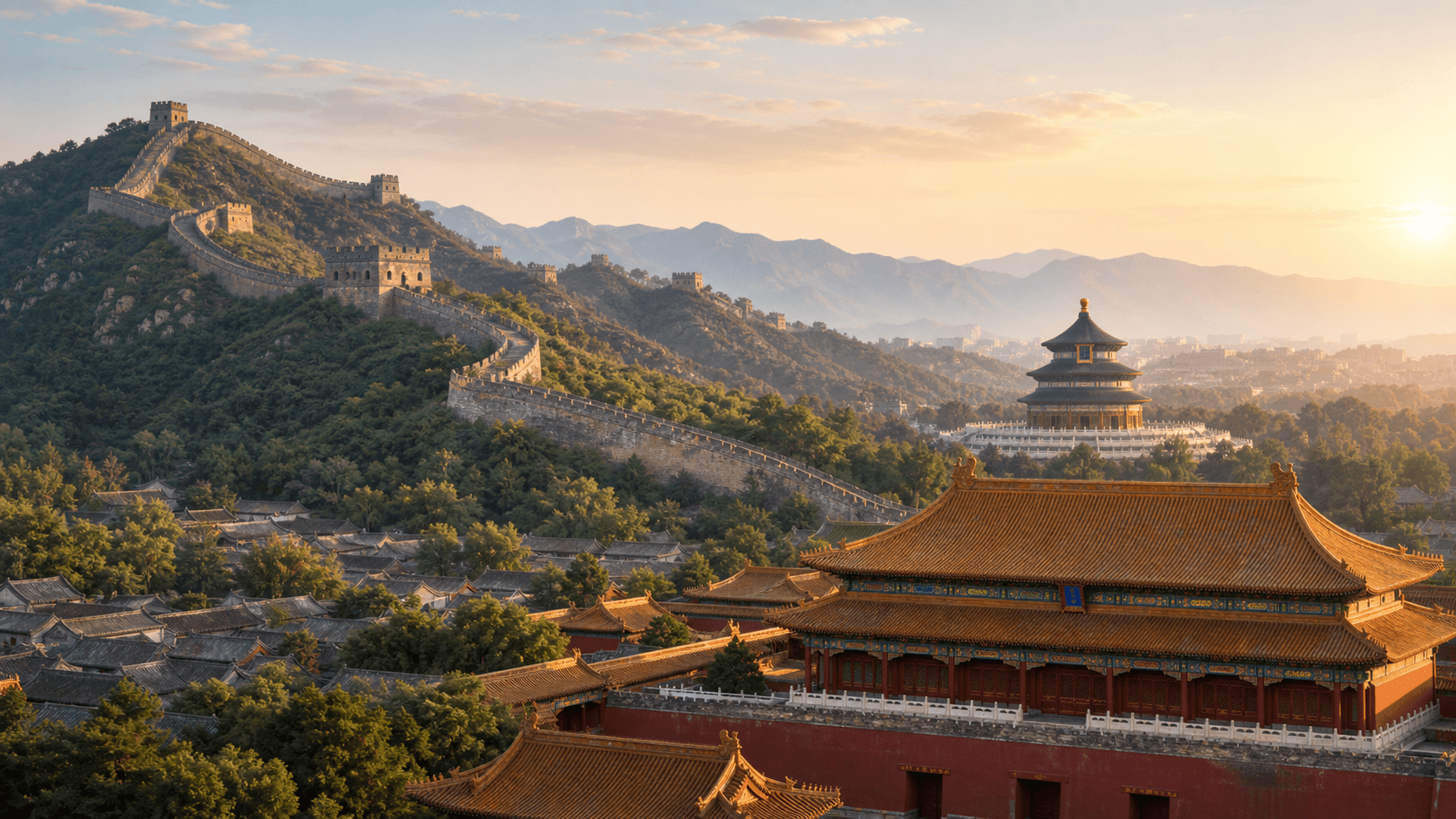
A first Beijing guide that introduces the city's most characteristic sights so travelers can choose their own route.
- Last updated
- 2026-06-10
- Best for
- Travelers who want imperial history, iconic architecture, and a classic first stop in China
- May change
- Attraction reservation rules, passport verification, opening hours, ticket policies, and transport details
Choose Beijing Sights By Interest
Beijing gives you a clear first map of Chinese history: imperial architecture, ceremonial space, neighborhood life, modern museums, university campuses, Olympic landmarks, art districts, and the Great Wall beyond the city center. Instead of following a fixed multi-day route, use this guide as a sight-by-sight introduction and choose the places that match your interests, energy, and booking success.
Major Beijing attractions may require advance reservation, passport verification, security checks, or timed entry. Opening hours and booking rules can change, especially during public holidays. Confirm current official information before you go.
Forbidden City
The Palace Museum / Forbidden City (故宫博物院 / 故宫), formerly known as the Purple Forbidden City (紫禁城), was the imperial palace of the Ming and Qing dynasties. It stands at the center of Beijing's central axis and is the largest and best-preserved ancient wooden palace complex still existing in the world.
Construction began in 1406, the fourth year of the Ming Yongle reign, using the former Nanjing palace as a model. The complex was completed in 1420 and became the palace of 24 emperors across the Ming and Qing dynasties. The Palace Museum officially opened on October 10, 1925. In 1987, the Forbidden City was inscribed on the UNESCO World Heritage List.
The Palace Museum has an extremely rich collection. According to museum collection figures, it holds 1,862,690 sets or pieces of cultural relics, most of them inherited from the Qing imperial collection. Nearly half of China's precious cultural relics are represented here, making it one of the world's richest museums for Chinese cultural artifacts.
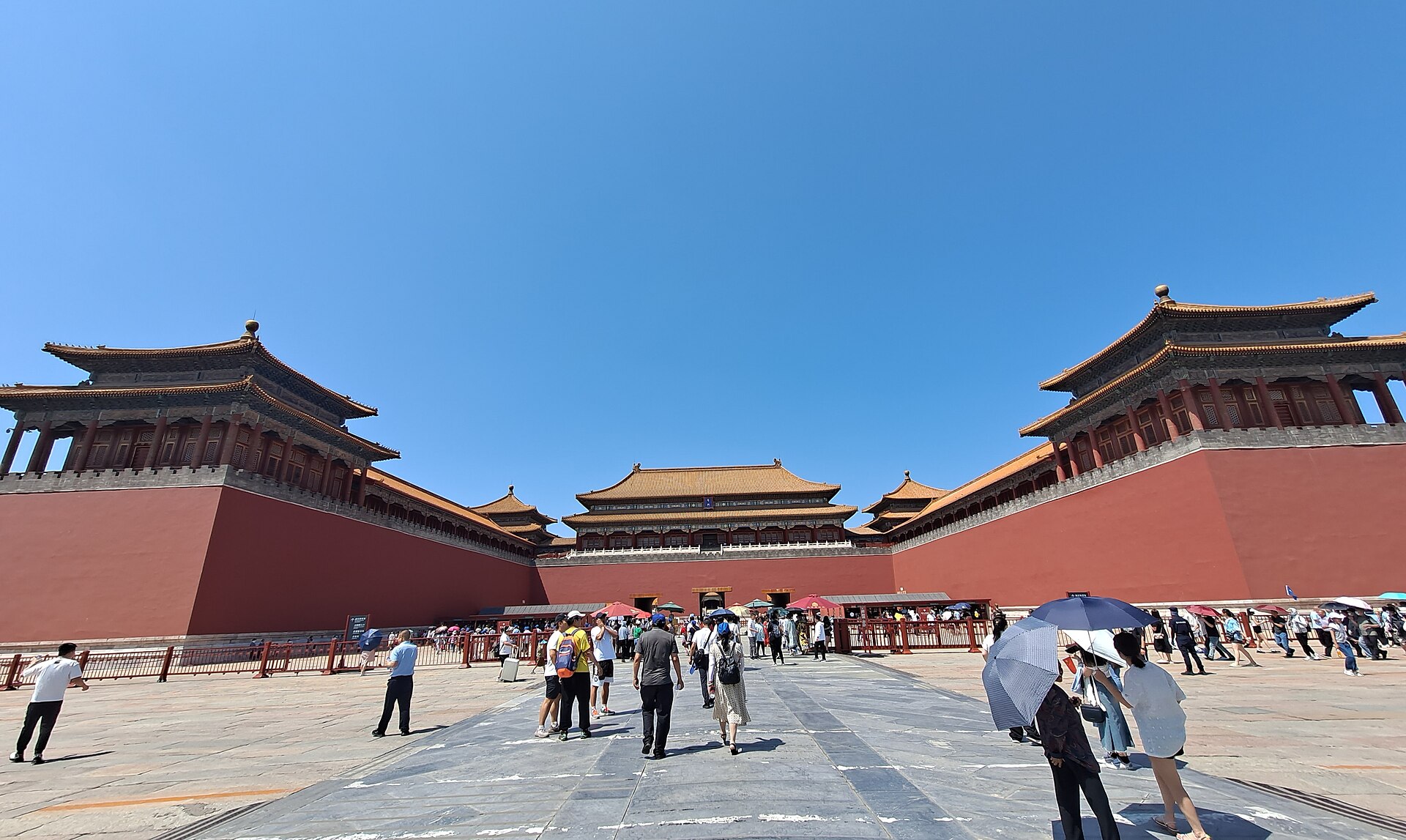
Photo: Wikimedia Commons_2010_April.jpg), open-license image; check the source page for reuse terms.
The complex is large, and it is not a quick stop. Check the Palace Museum visitor guide for the current reservation method, entry requirements, opening calendar, and temporary closures. A key rule to remember is that the Palace Museum is usually closed on Mondays, except on statutory public holidays. If a public holiday affects the calendar, confirm the official notice before planning around it.
Jingshan Park
Jingshan Park (景山公园) is on Jingshan Front Street (景山前街), directly opposite the Shenwu Gate (神武门) on the north side of the Forbidden City. Jingshan is about 43 meters above sea level and was part of the imperial garden system through the Yuan, Ming, and Qing dynasties. It became a public park in 1928 and reopened to the public in 1955.
The park has old trees, imposing halls, spring peonies, autumn ginkgo leaves, and views that change with the seasons. Its most important viewpoint is Wanchun Pavilion (万春亭), the highest point of Jingshan and a high point on Beijing's central axis. From there, you can look south over the Forbidden City, west toward the White Dagoba of Beihai Park (北海公园白塔), east toward the modern CBD skyline, and north toward the Drum and Bell Towers (钟鼓楼). It is one of the best places to overlook Beijing.
Another important sight is Shouhuang Hall (寿皇殿) on the north side of the park. It is one of the major architectural groups on Beijing's central axis and once served as a Qing imperial ancestral hall. It is free to visit when open.
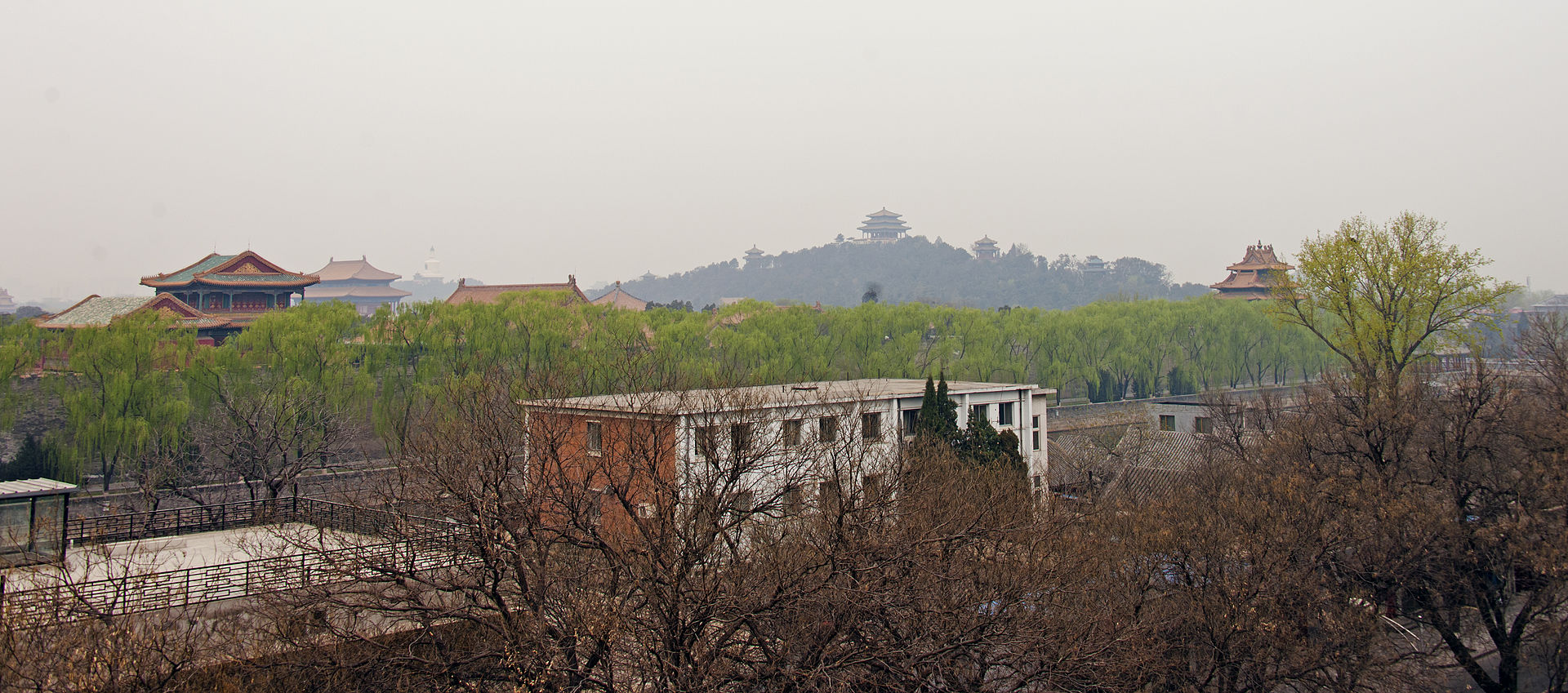
Photo: Wikimedia Commons, open-license image; check the source page for reuse terms.

National Museum of China
The National Museum of China (中国国家博物馆) is on the east side of Tiananmen Square (天安门广场), facing the Great Hall of the People (人民大会堂) across the square. It sits in the core area of Beijing's central axis and is one of the largest and richest museums in the world.
The museum's history can be traced to the Preparatory Office of the National Museum of History, founded in 1912. In 2003, the Museum of Chinese History and the Museum of the Chinese Revolution merged to form the present National Museum of China. After a major expansion and renovation, the new museum reopened in 2011. With a building area of nearly 200,000 square meters, it is one of the world's largest single-building museums.
Plan enough time and check the official museum site for real-name reservation rules, passport requirements, closure notices, and current exhibitions before arrival.
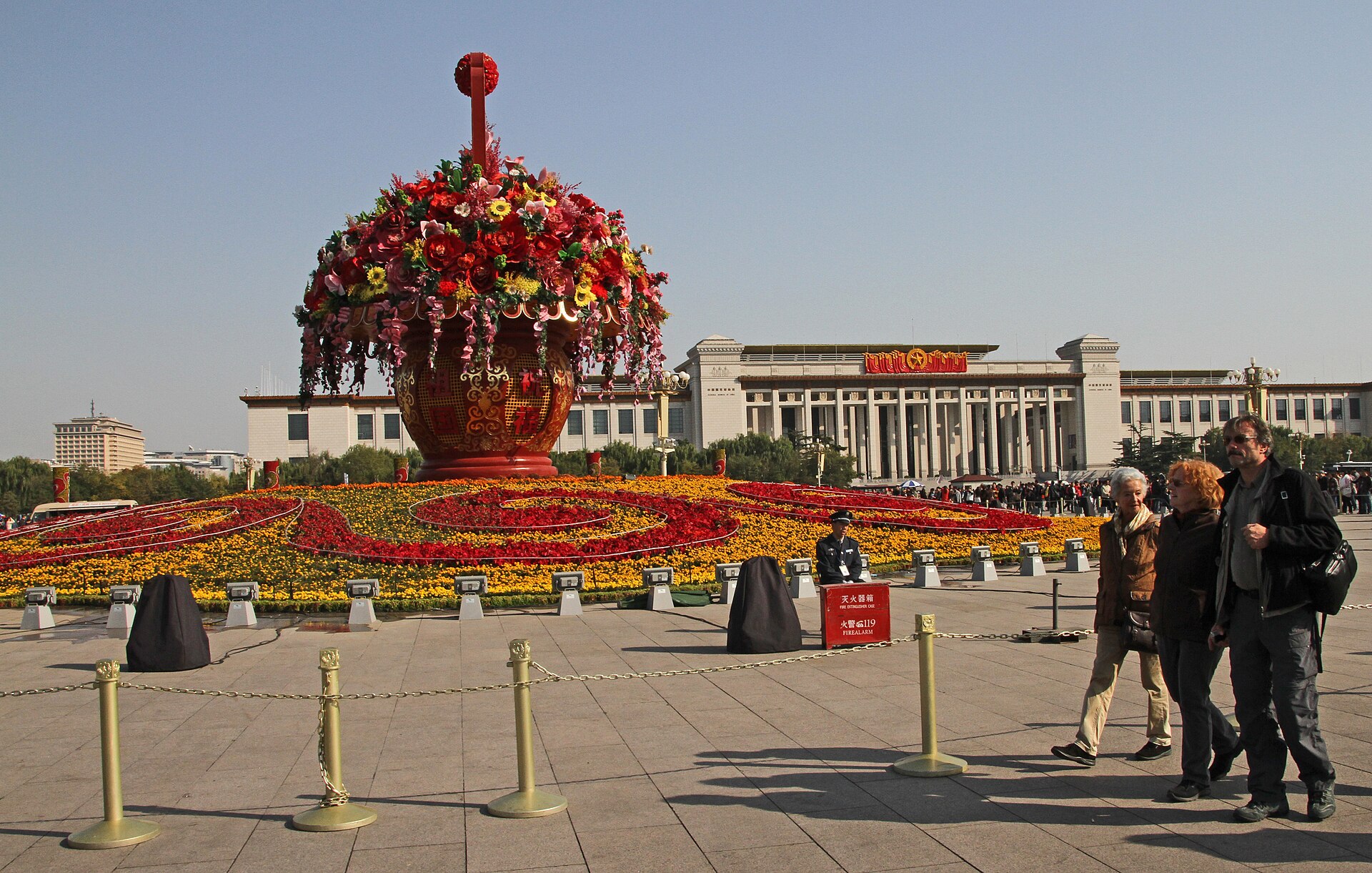
Photo: Wikimedia Commons, open-license image; check the source page for reuse terms.

Temple of Heaven
The Temple of Heaven (天坛) was first built in 1420, the eighteenth year of the Ming Yongle reign, at the same time as the Forbidden City. It was originally called the Altar of Heaven and Earth (天地坛) and was used by Ming and Qing emperors for rituals of heaven worship and prayers for good harvests. During the Ming Jiajing reign, heaven and earth sacrifices were separated, the Temple of Earth (地坛) was built in the northern suburb, and the Temple of Heaven became dedicated to heaven worship. During the Qing Qianlong reign, the complex was rebuilt on a large scale, forming much of today's layout.
The Temple of Heaven is the largest surviving ancient architectural complex for heaven worship in the world. It was inscribed on the UNESCO World Heritage List in 1998.
Its design reflects the Chinese philosophical idea of harmony between heaven and humanity. Ancient Chinese cosmology imagined heaven as round and earth as square, so the Temple of Heaven's outer walls are round in the north and square in the south. The number of columns in the Hall of Prayer for Good Harvests (祈年殿) symbolizes the four seasons, twelve months, and twelve traditional time periods. The stones of the Circular Mound Altar (圜丘坛) are arranged in numbers of nine or multiples of nine, symbolizing the "nine layers of heaven."
As an important heritage site on Beijing's central axis, the Temple of Heaven is both a masterpiece of ancient Chinese ritual architecture and a concentrated expression of ideas about reverence for heaven, ancestral tradition, and harmony between humans and the cosmos.
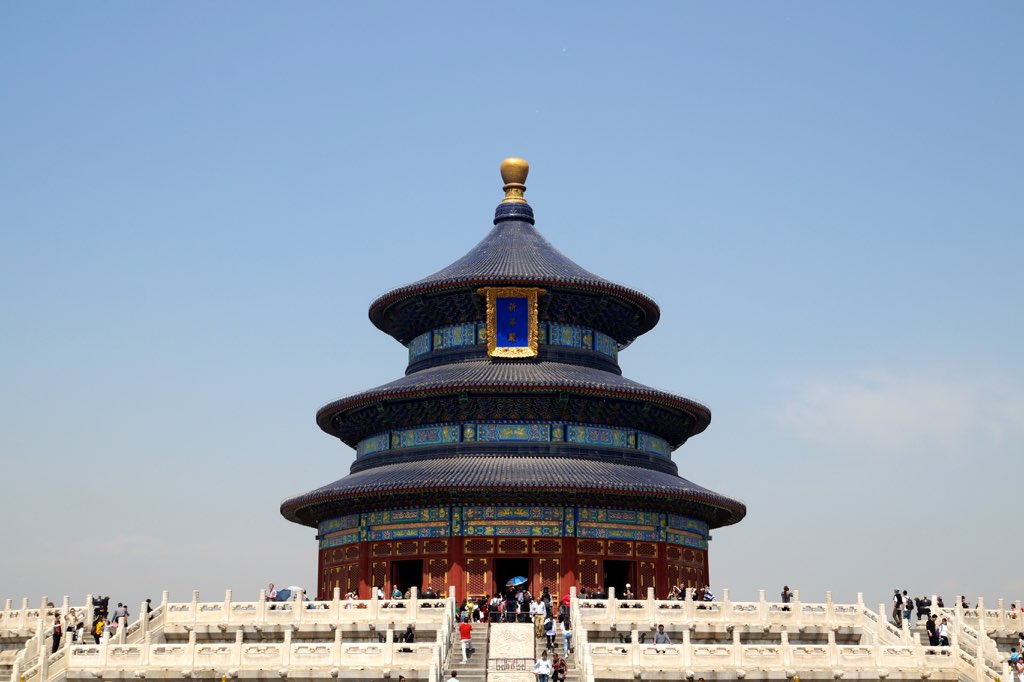
Photo: Wikimedia Commons.jpg), open-license image; check the source page for reuse terms.
Summer Palace
The Summer Palace (颐和园) is China's largest and best-preserved imperial garden. It is in Beijing's western suburbs, about 15 kilometers from the city center. Its predecessor was Qingyi Garden (清漪园), built in 1750 during the Qing Qianlong reign for Empress Dowager Chongqing. Inspired by West Lake in Hangzhou (杭州西湖) and Jiangnan garden design, the project reportedly cost 4.48 million taels of silver.
The garden was burned during the Anglo-French invasion in 1860. In 1888, the Guangxu Emperor rebuilt it and renamed it the Summer Palace, using it as a retreat for Empress Dowager Cixi. It was damaged again in 1900 during the Eight-Nation Alliance invasion and repaired in 1902. It opened to the public in 1928 and was inscribed on the UNESCO World Heritage List in 1998.
The Summer Palace combines the grand scale of an imperial garden with the gentler beauty of Jiangnan water landscapes. It is a peak example of Chinese classical garden design and also a witness to the late Qing dynasty and modern Chinese history.
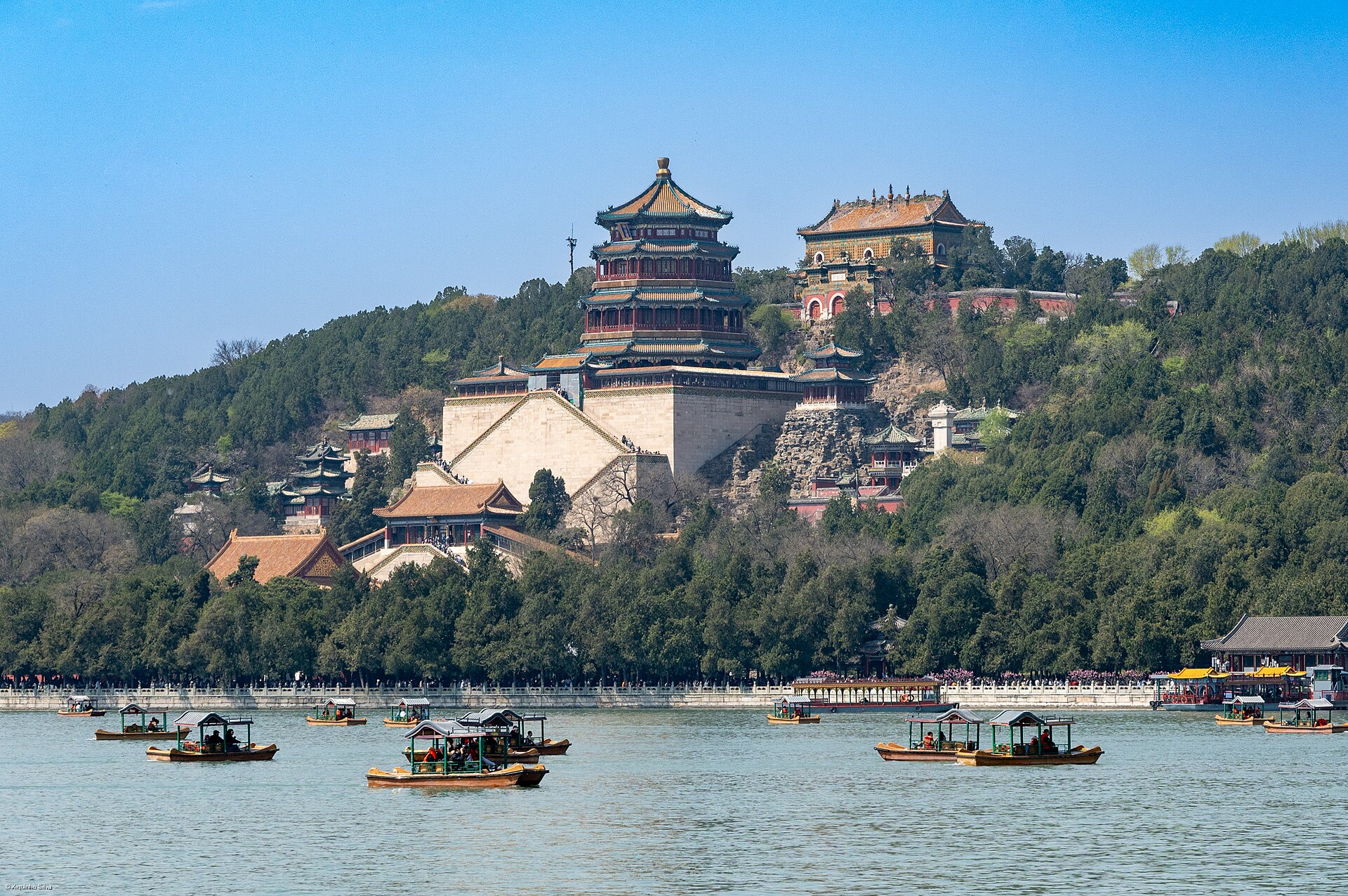
Photo: Wikimedia Commons, open-license image; check the source page for reuse terms.

Lama Temple
The Lama Temple (雍和宫) is on Yonghegong Street (雍和宫大街) in Dongcheng District (东城区). It is Beijing's largest and best-preserved Tibetan Buddhist monastery. In 1694, the Kangxi Emperor built a residence here and granted it to his fourth son, Yinzhen, who later became the Yongzheng Emperor. In 1725, it was converted into an imperial temporary palace and named Yonghe Palace.
Because the Qianlong Emperor was also born here, the site is associated with two emperors and is known as a "hidden dragon blessed place" (龙潜福地). Its yellow roof tiles and red walls show a status similar to imperial architecture. In 1744, during the Qianlong reign, it was converted into a lamasery and became an important Qing center for Tibetan Buddhist affairs.
The Lama Temple is still a religious site. Keep voices low, dress respectfully, and avoid intrusive photography.
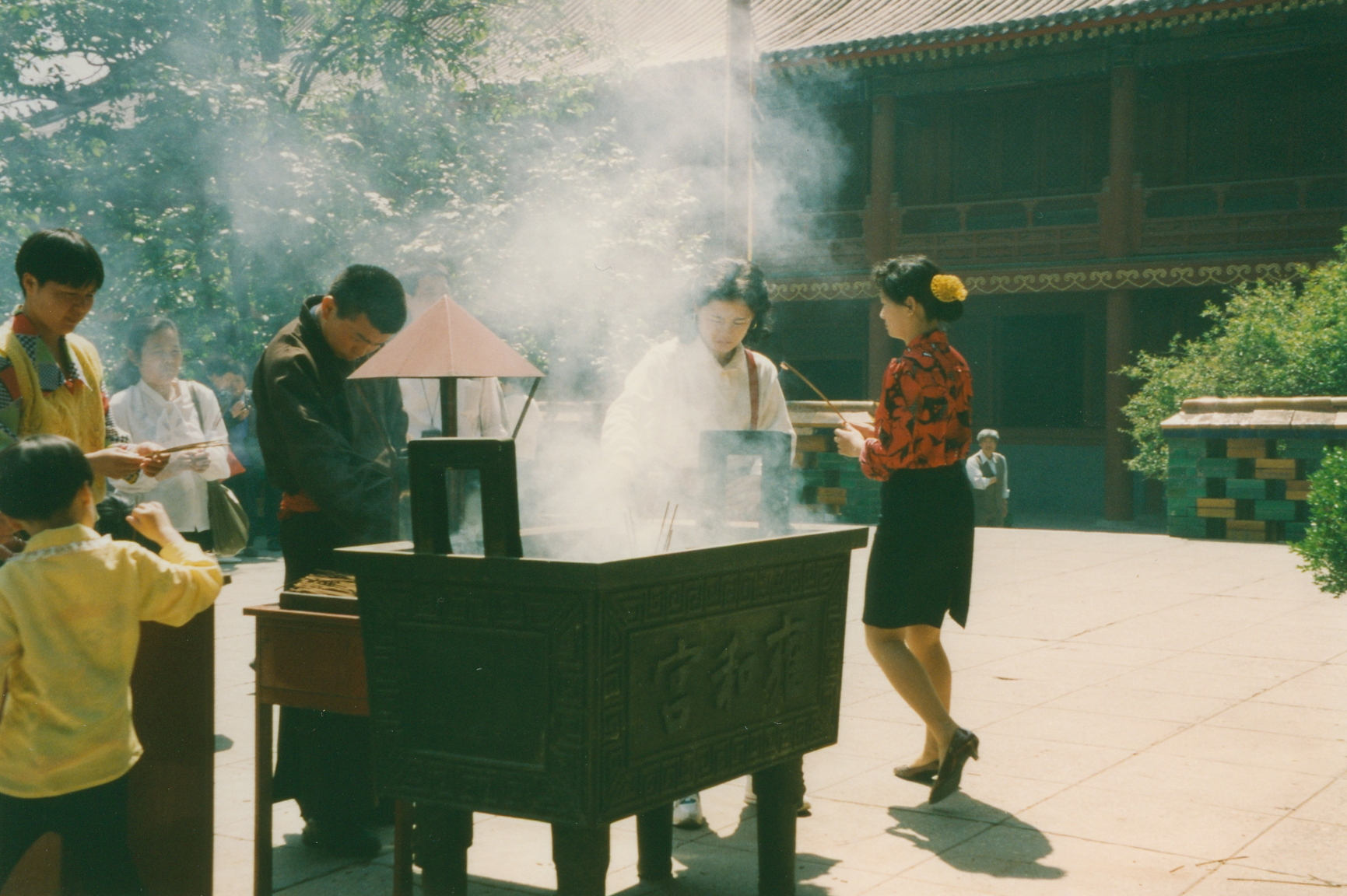
Photo: Wikimedia Commons.jpg), open-license image; check the source page for reuse terms.
Nanluoguxiang
Nanluoguxiang (南锣鼓巷) is east of Beijing's central axis. It runs from Gulou East Street (鼓楼东大街) in the north to Ping'an Avenue (平安大街) in the south. The lane is 786 meters long and about 8 meters wide.
It is one of Beijing's oldest neighborhoods and was built around the same time as the Yuan capital in 1267, giving it more than 740 years of history. The lane runs north-south, with eight hutongs neatly arranged on each side in a fishbone pattern. This continues Beijing's traditional chessboard-like urban layout and preserves one of the most complete Yuan-era hutong and courtyard neighborhood structures.
From the Ming and Qing dynasties onward, this area was associated with wealthy and powerful residents, including officials, cultural figures, and artists. Today, Nanluoguxiang combines old Beijing hutong texture with small shops, snacks, and fashionable storefronts. It is not a closed scenic area, but an open commercial pedestrian lane centered on hutong culture.
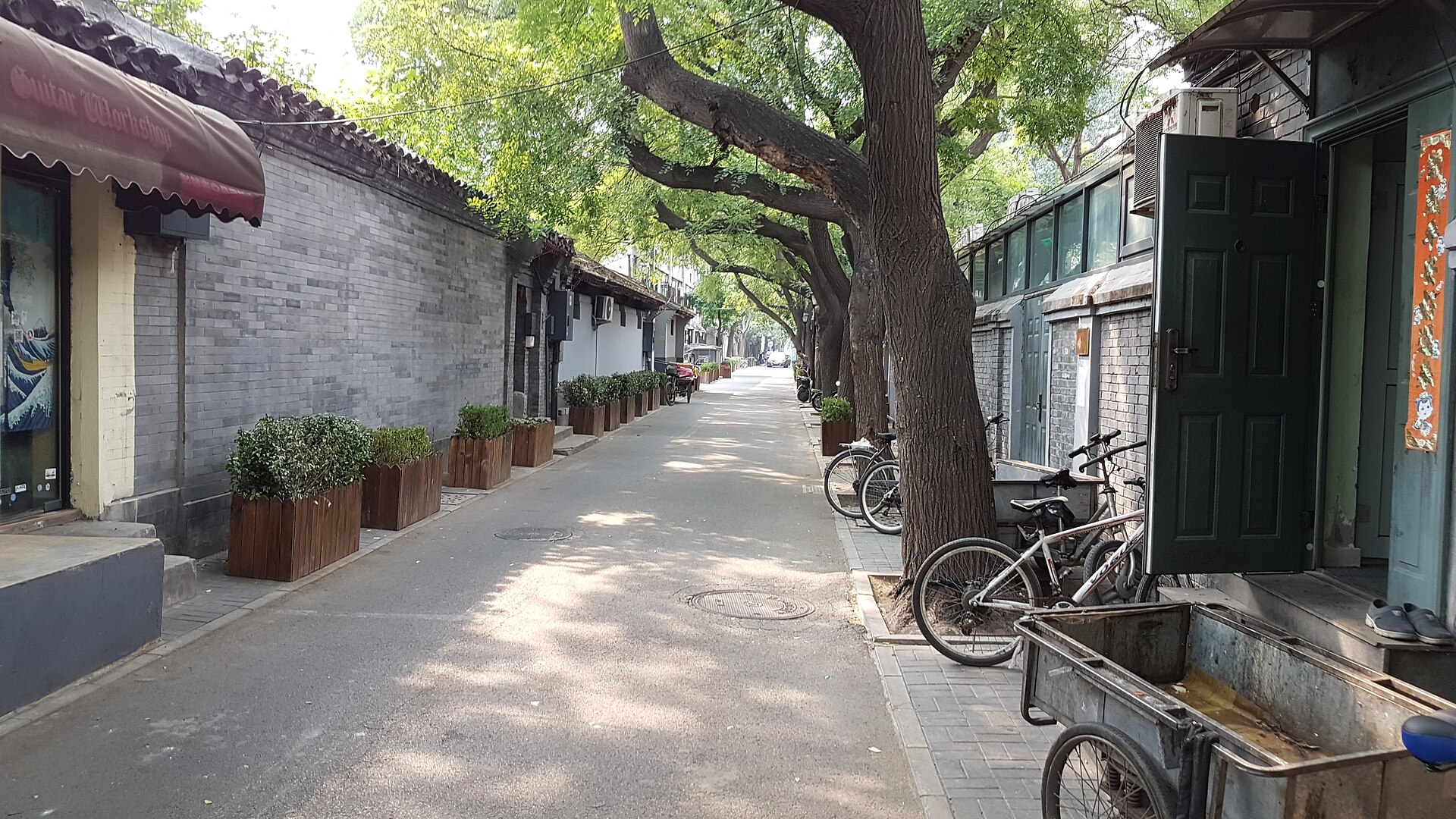
Photo: Wikimedia Commons, open-license image; check the source page for reuse terms.

China Science and Technology Museum
The China Science and Technology Museum (中国科学技术馆) is at No. 5 Beichen East Road (北辰东路5号), Chaoyang District (朝阳区), in the central area of the National Olympic Park (国家奥林匹克公园中心区). It is China's only national-level comprehensive science and technology museum, and it is among the first group of national first-class museums and one of China's major science tourism bases.
The building takes the "Luban lock" (鲁班锁) as its core architectural image, paired with a spherical theater structure about 30 meters in diameter. The design symbolizes interdisciplinary connection and exploration of the universe.
It is especially good for families, science-curious travelers, and visitors who want a modern China stop beyond palaces and temples. Check the official ticketing page for current real-name booking, exhibition rules, and closure days.
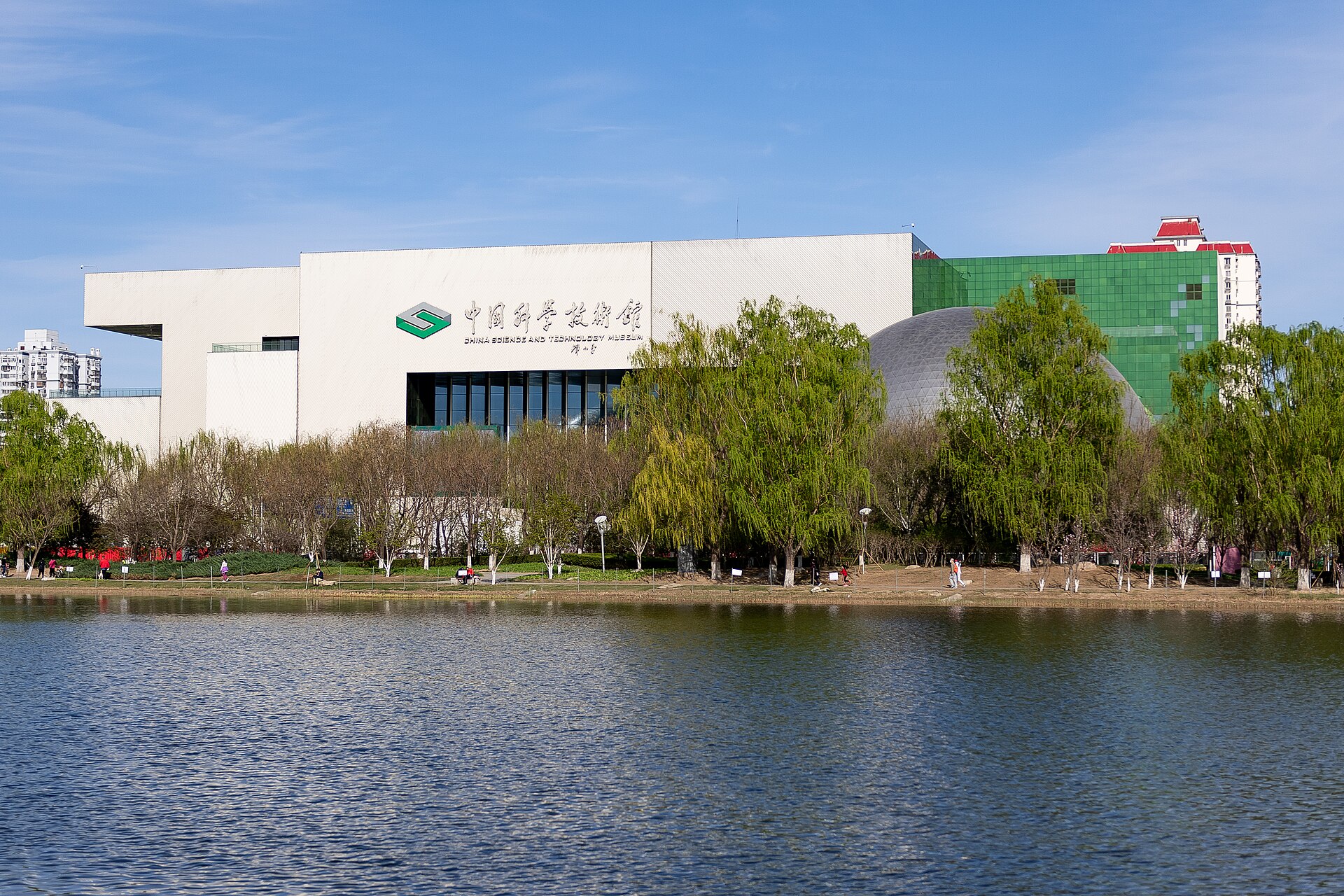
Photo: Wikimedia Commons, open-license image; check the source page for reuse terms.

Bird's Nest
The Bird's Nest (鸟巢), officially the National Stadium (国家体育场), is in the central area of Beijing Olympic Park (北京奥林匹克公园). It was the main stadium of the 2008 Beijing Olympic Games and has become one of Beijing's modern landmarks.
It is known for its distinctive appearance: interwoven steel members wrap around the building like branches forming a bird's nest. The curved, rising-and-falling lines make the structure feel dynamic and full of movement. Inside, the stadium has nearly 100,000 red seats, creating an impressive scale.
The Bird's Nest is a good place to feel the legacy of the Beijing Olympics and see contemporary architectural design. In daylight, the structure itself is the focus; at night, lighting gives it a different atmosphere.
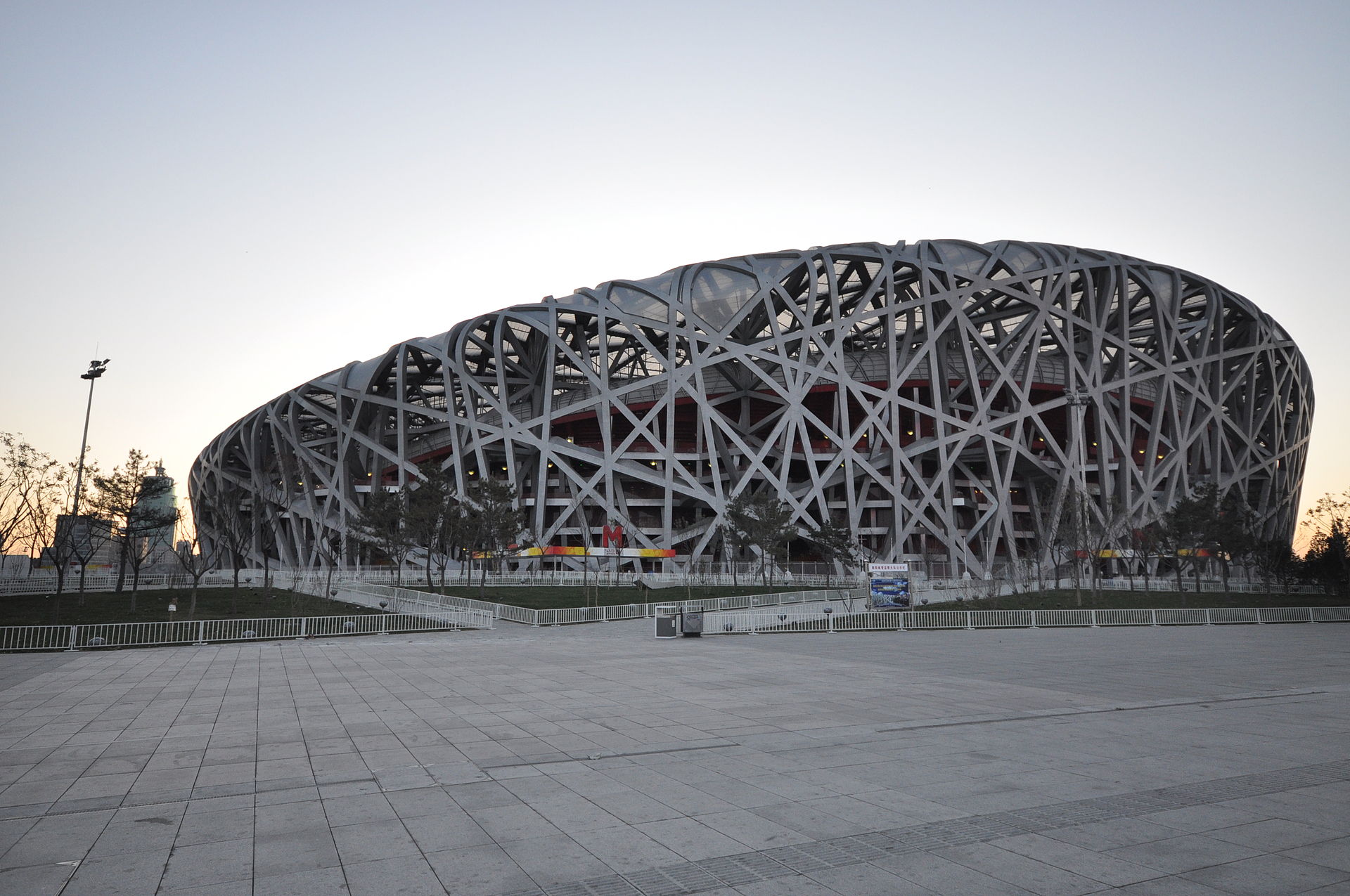
Photo: Wikimedia Commons, open-license image; check the source page for reuse terms.

Water Cube
The Water Cube (水立方), officially the National Aquatics Center (国家游泳中心), is also in the central area of Beijing Olympic Park. Its blue bubble-membrane structure looks translucent in daytime and dreamlike under changing lights at night. It is a "Dual-Olympic" venue used for both the 2008 Beijing Summer Olympics and the 2022 Beijing Winter Olympics.
The Water Cube is the only venue in the world that has hosted both Summer Olympic and Winter Olympic water and ice events. To make this possible, the original swimming-pool area was transformed into a curling venue through advanced water-ice conversion technology, which is why it is also called the Ice Cube (冰立方). In 2008, Michael Phelps won eight gold medals here. In 2022, China's mixed doubles curling pair Ling Zhi and Fan Suyuan began the Chinese delegation's Winter Olympic competition here.
Today, the Water Cube combines sightseeing, water recreation, and ice-sport experiences. Together with the Bird's Nest, it is one of the core landmarks of Olympic Park. The two venues are connected through the central-axis plaza and are only a few hundred meters apart.
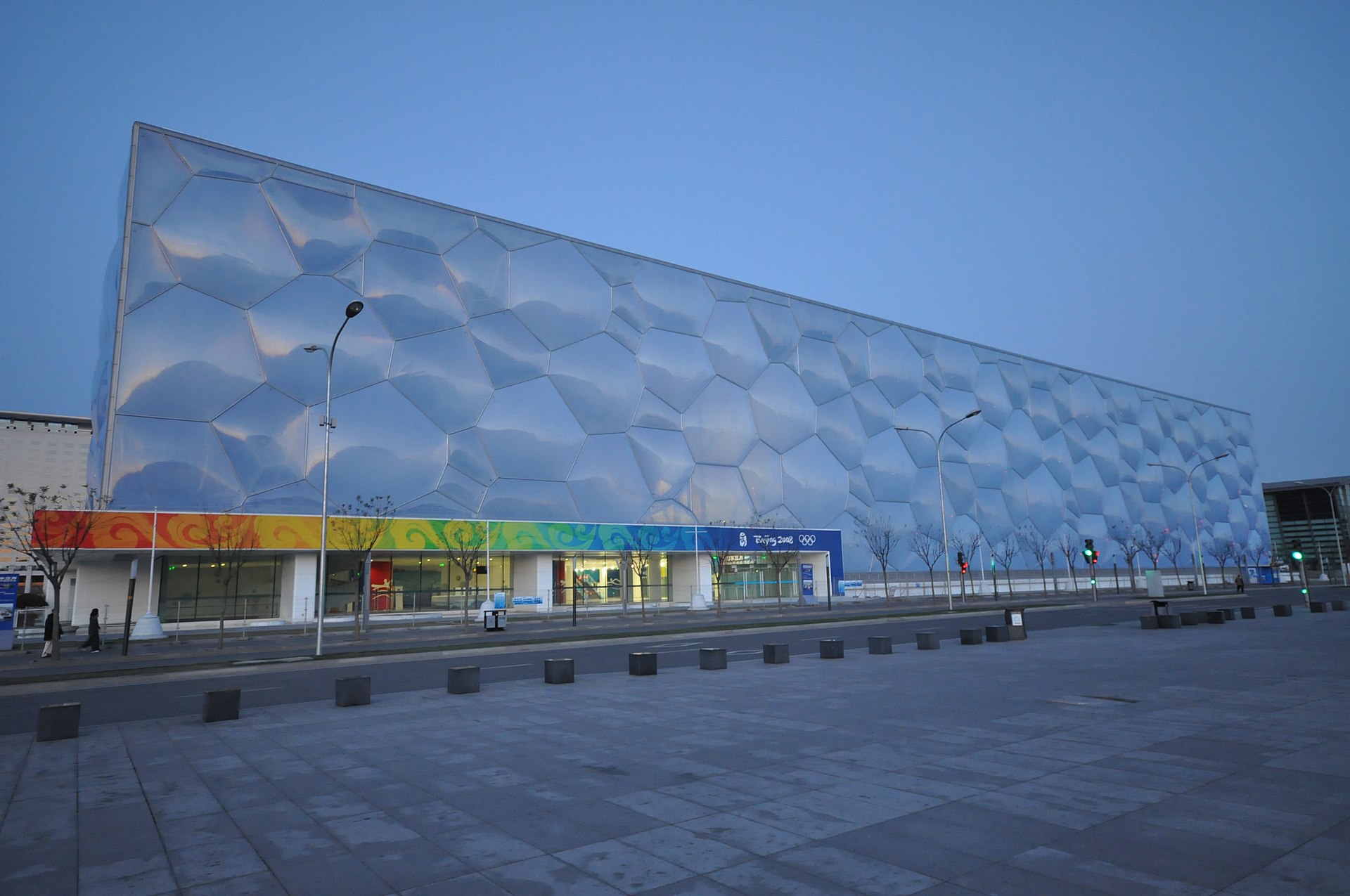
Photo: Wikimedia Commons_(4475631690).jpg), open-license image; check the source page for reuse terms.
Peking University And Tsinghua University
Peking University (北京大学) was founded in 1898 as the Imperial University of Peking (京师大学堂). It was China's first modern national comprehensive university, an important center of the New Culture Movement, and a birthplace of the May Fourth Movement. Its campus, also known as Yanyuan (燕园), covers about 7,000 mu and blends the grandeur of Ming and Qing imperial garden traditions with the elegance of Jiangnan-style landscapes. Weiming Lake (未名湖) and Boya Pagoda (博雅塔) form the famous "one lake and one tower" view.
Tsinghua University (清华大学) is in Tsinghua Garden (清华园) in Beijing's northwestern suburbs. Its predecessor was Tsinghua Xuetang (清华学堂), founded in 1911. The campus motto is "Self-discipline and Social Commitment" (自强不息,厚德载物). Historic buildings such as the Second School Gate (二校门), the Grand Auditorium (大礼堂), Shui Mu Tsinghua (水木清华), and Tsinghua Xuetang stand alongside modern teaching buildings, making it one of China's top universities and a notable campus to visit when access is available.
Campus entry rules can change and may require real-name reservation. Check Peking University's visitor page and Tsinghua's campus visit system instead of assuming walk-in access.
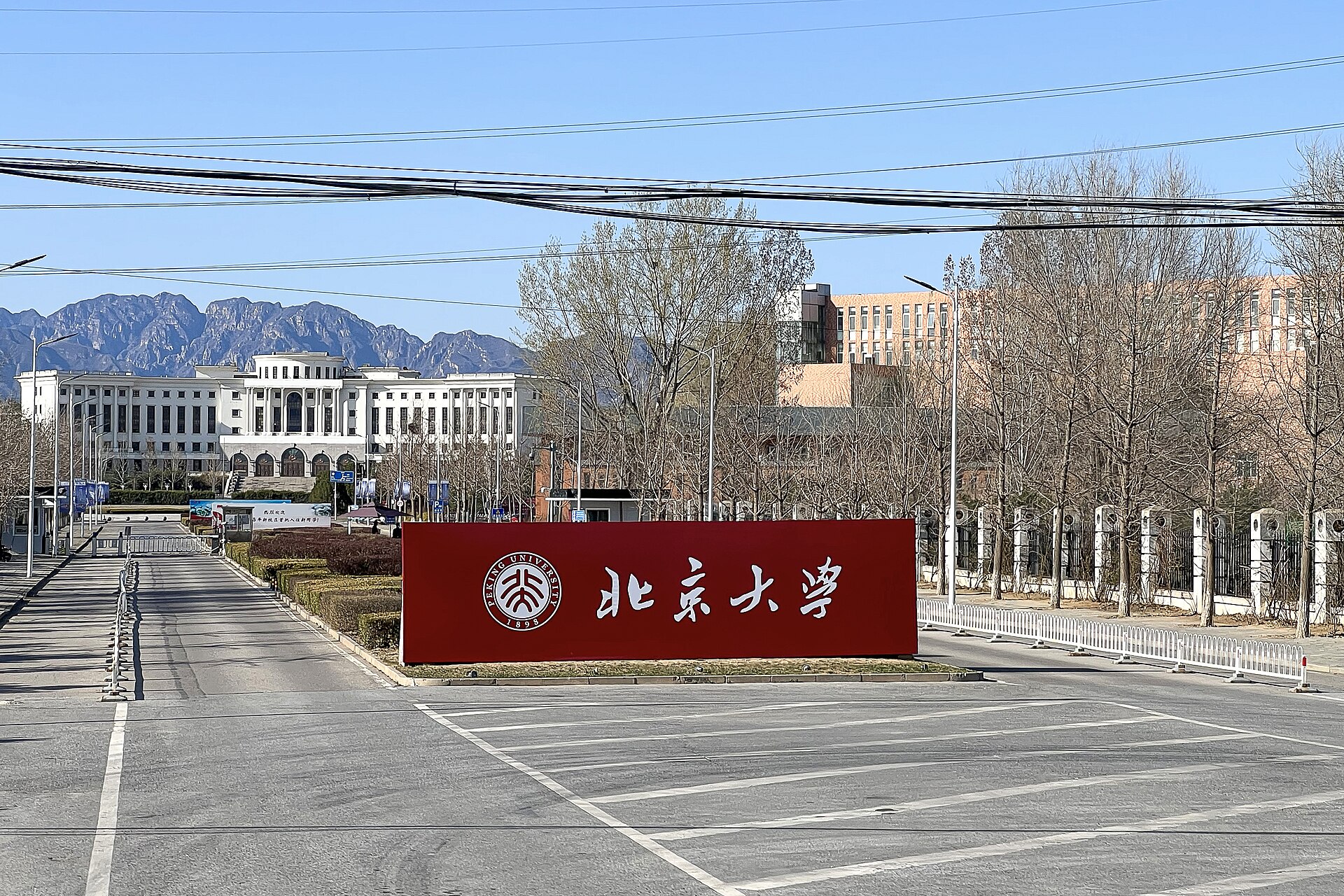
Photo: Wikimedia Commons, open-license image; check the source page for reuse terms.

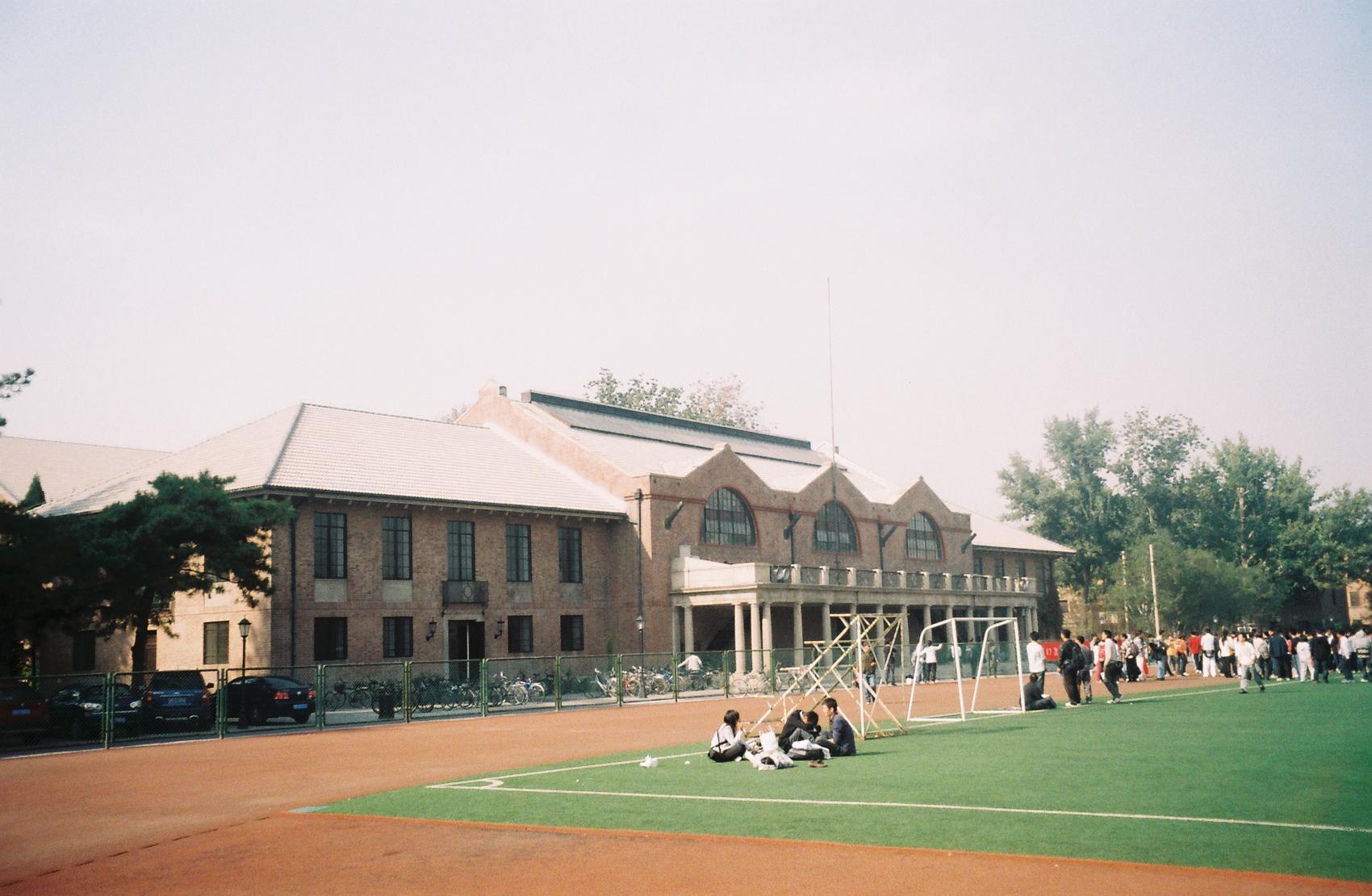
Photo: Wikimedia Commons, open-license image; check the source page for reuse terms.
Panjiayuan Market
Panjiayuan Market (潘家园旧货市场) is near the intersection of East Third Ring South Road (东三环南路) and Panjiayuan Road (潘家园路) in Chaoyang District. Covering about 48,500 square meters, it is one of China's largest markets for antiques, art objects, handicrafts, and secondhand goods.
The market sells a wide range of items, including antique-style furniture, scholar's studio objects, old books and paintings, jade and agate, ceramics, Chinese and foreign coins, bamboo, wood and bone carvings, shadow-puppet masks, Buddhist objects, ethnic clothing and accessories, and Cultural Revolution-era collectibles. Younger visitors may also find retro CCD cameras, blind boxes, designer toys, and handmade creative objects.
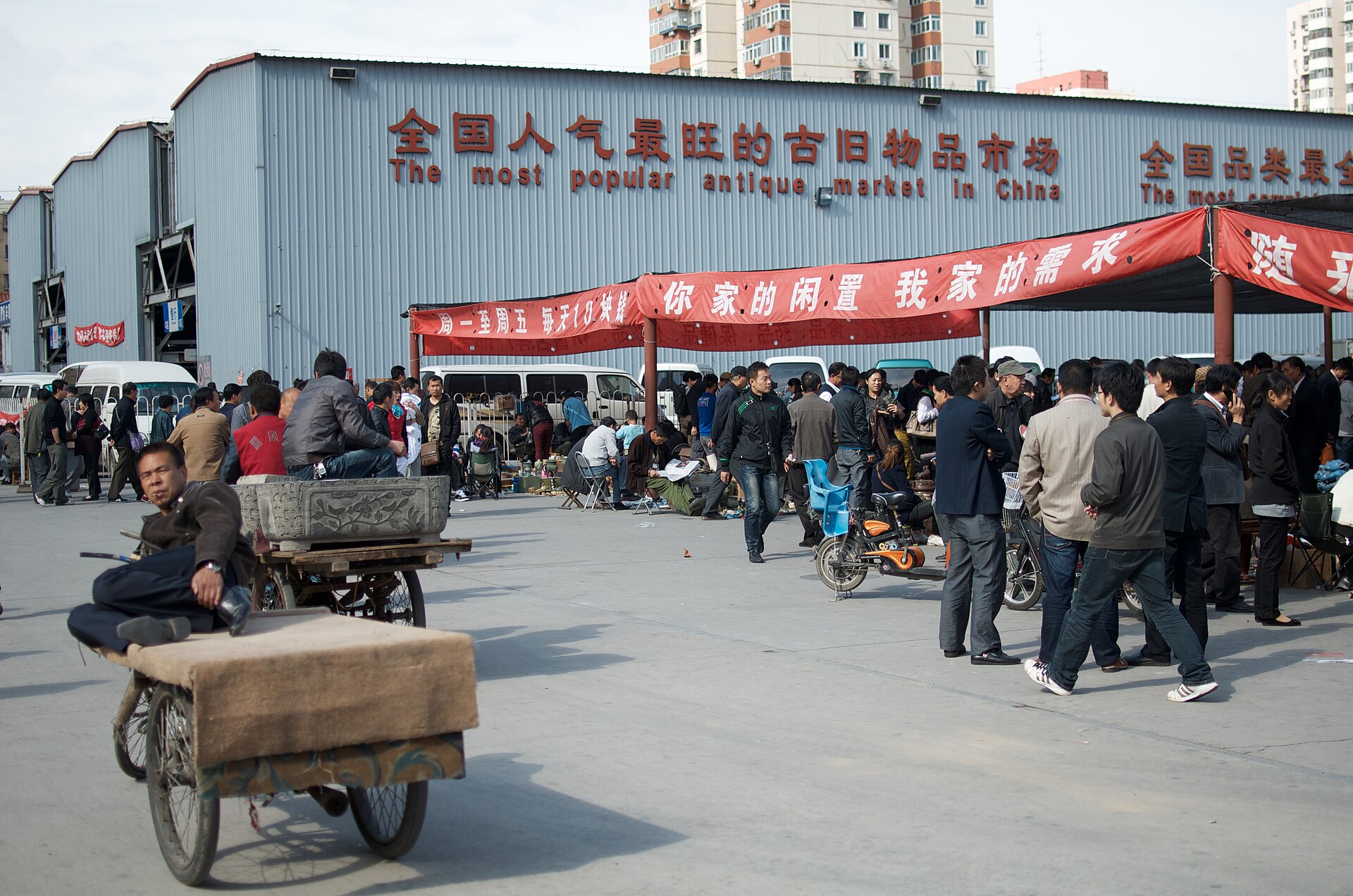
Photo: Wikimedia Commons, open-license image; check the source page for reuse terms.
798 Art District
798 Art District (798艺术区) is in Jiuxianqiao (酒仙桥), Chaoyang District. It grew out of old industrial areas including the state-owned Factory 798 (国营798厂), built with Soviet assistance during China's First Five-Year Plan period. In the early 21st century, low rents and distinctive Bauhaus-style industrial architecture, including sawtooth factory roofs and large skylights, attracted many artists. The area gradually became a birthplace of Chinese contemporary art and an important platform for international cultural exchange.
The appeal of 798 is its sense of contrast. Behind a weathered old factory exterior, you may find an avant-garde exhibition, immersive light installation, or special show by an international artist. It is not only a place to see exhibitions; it is a cultural community of industrial heritage, contemporary galleries, designer shops, independent cafes, and creative studios.
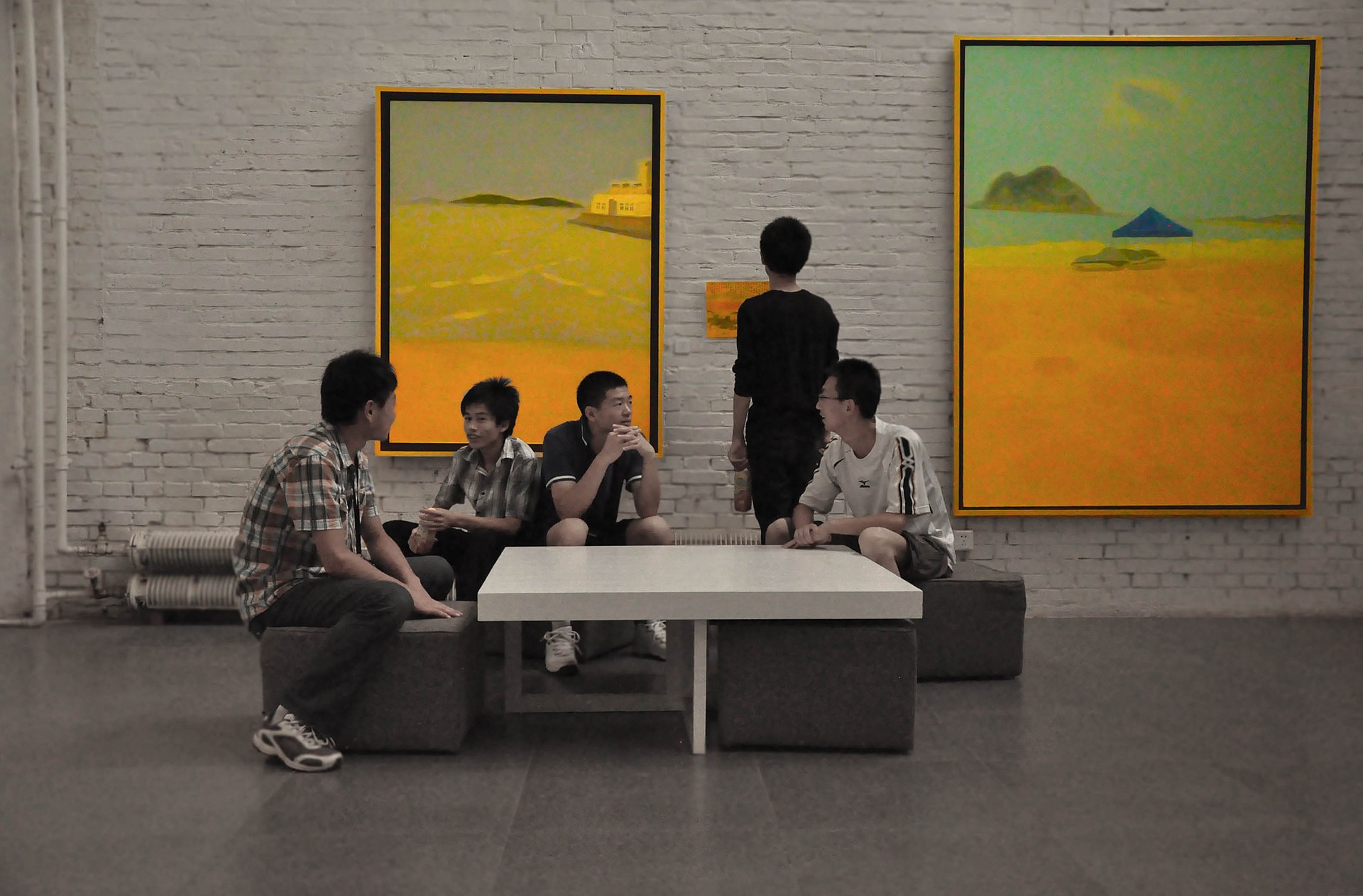
Photo: Wikimedia Commons, open-license image; check the source page for reuse terms.

Sanlitun
Sanlitun (三里屯) is west of Changhong Bridge (长虹桥) on Beijing's East Third Ring Road (东三环), in Chaoyang District. It is one of Beijing's most fashionable commercial and cultural districts. Its bar street was once a symbol of Beijing's nighttime economy, and the Sanlitun business district is a window through which the city presents fashion and cultural vitality.
Taikoo Li Sanlitun (三里屯太古里) is an open commercial district operated by Swire Properties. The South District focuses on trendy brands, the North District gathers luxury and designer brands, and the West District focuses on lifestyle. Sanlitun SOHO (三里屯SOHO) combines office towers, shopping centers, an ice rink, and a waterscape plaza. Sanlitun Bar Street (三里屯酒吧街) is one of Beijing's classic nightlife areas, with bars and restaurants in many styles.
In one sentence, Sanlitun is the heart of Beijing's fashion and trend culture: open, international, commercial, and lively.
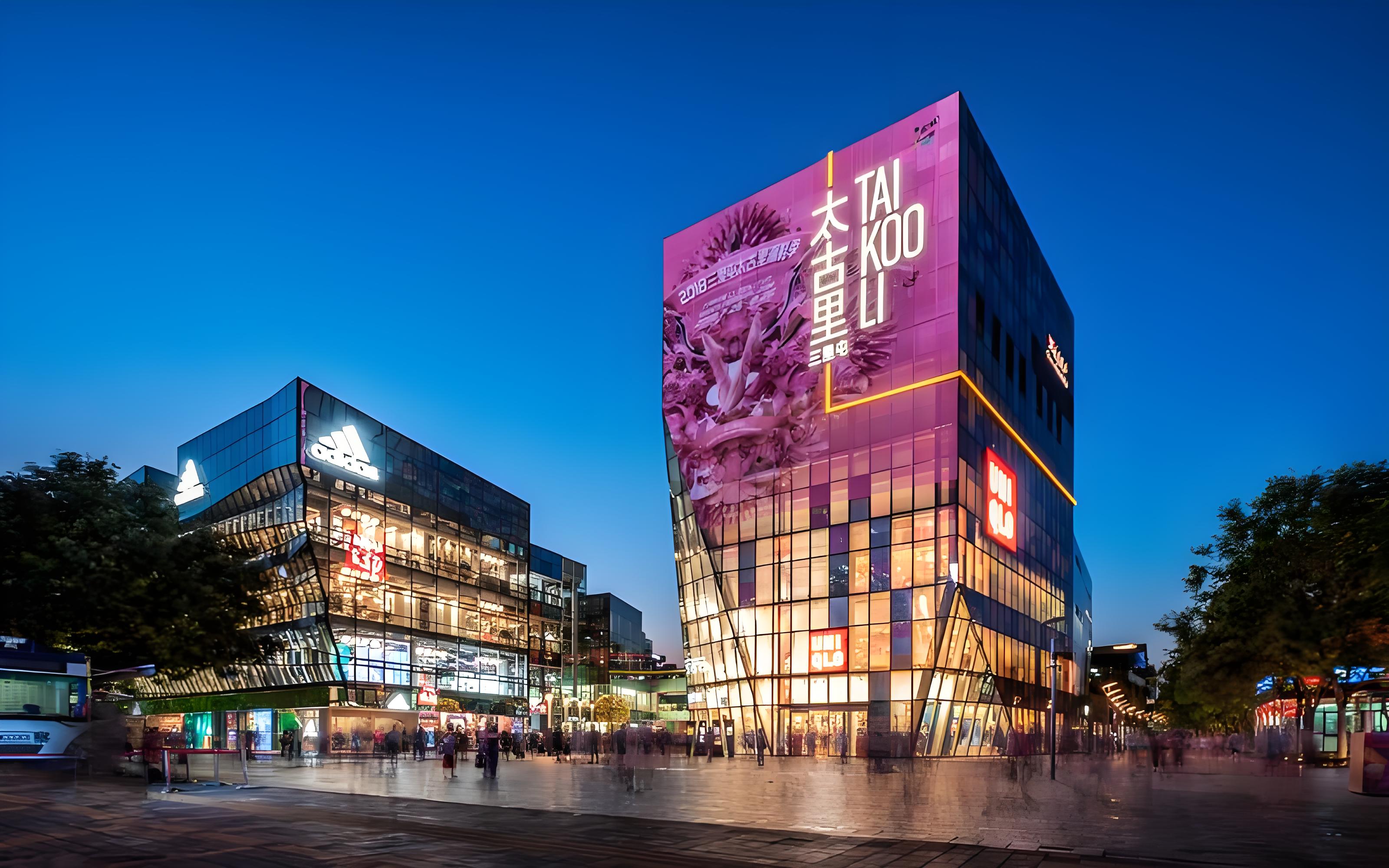
Photo: Local reference image provided for this guide.
Great Wall Near Beijing
The Great Wall is not one single downtown attraction. Mutianyu's best-known walls belong mainly to the Ming defensive system, built and rebuilt along older northern frontier routes to protect the capital region. Mutianyu is in Beijing's Huairou District, roughly 80 kilometers north of central Beijing according to the official Beijing tourism site. Plan transport before you go and avoid squeezing the visit between other major sights.
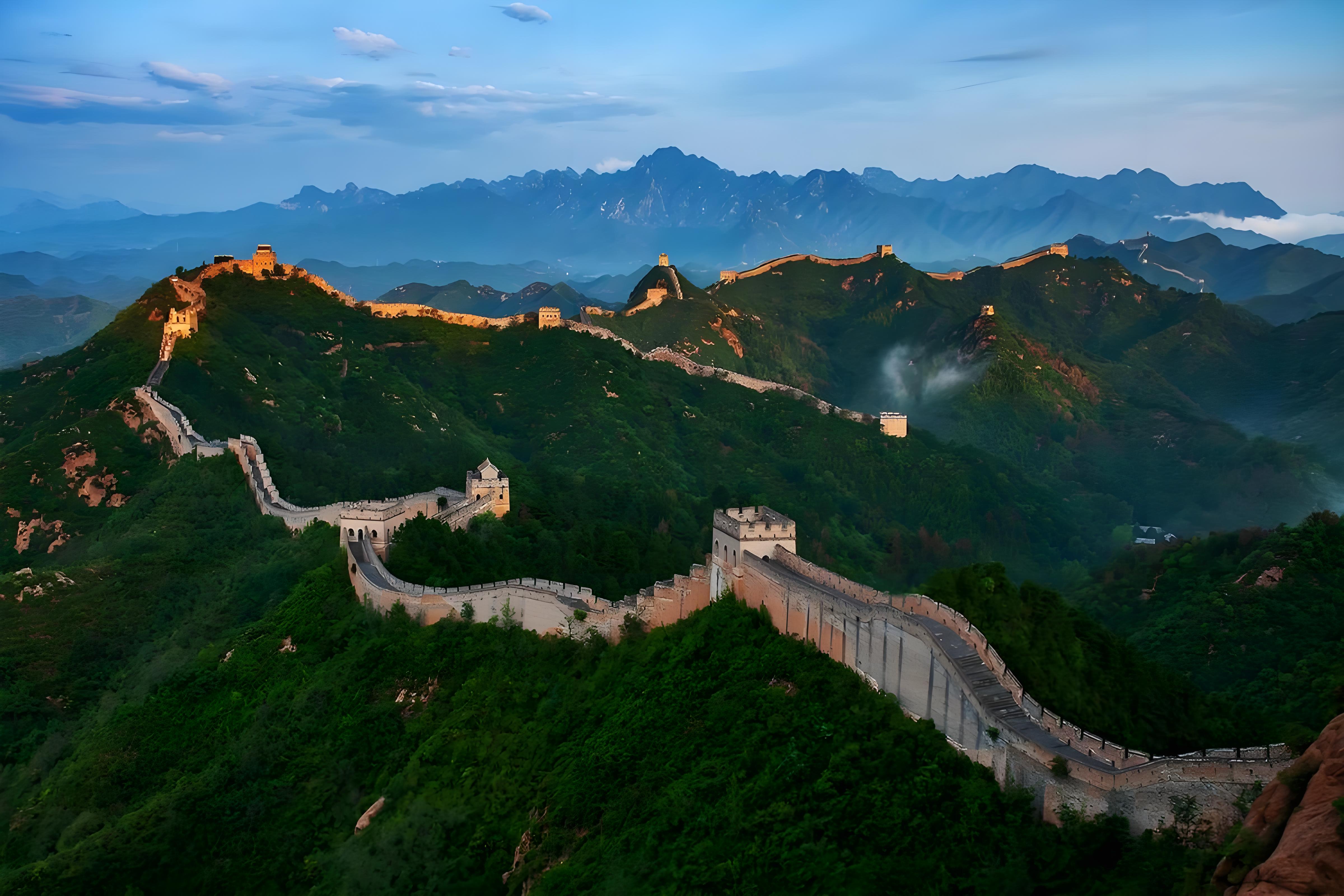
Photo: Local reference image provided for this guide.
Read current attraction guidance before choosing hiking, cable-car, or other options. Weather, transport, and return arrangements matter more than completing an ambitious checklist. Badaling (八达岭) is the most famous and highly developed section, Mutianyu (慕田峪) is often a comfortable first choice for international travelers, and Simatai (司马台) is farther out and linked with Gubei Water Town (古北水镇).
Food notes
For a first Beijing trip, keep one meal comfortably simple and let another be exploratory. Northern wheat-based foods, dumplings, noodles, zhajiangmian, tanghulu, and roast duck are useful starting points. Qianmen is convenient after a central-axis day; Guijie is known for late dining and stronger flavors; Huguosi snack shops are useful if you want traditional Beijing snacks in a casual setting.
Roast duck
Roast duck is the classic Beijing meal: crisp skin and sliced meat are usually served with thin pancakes, scallions, cucumber, and sweet bean sauce.
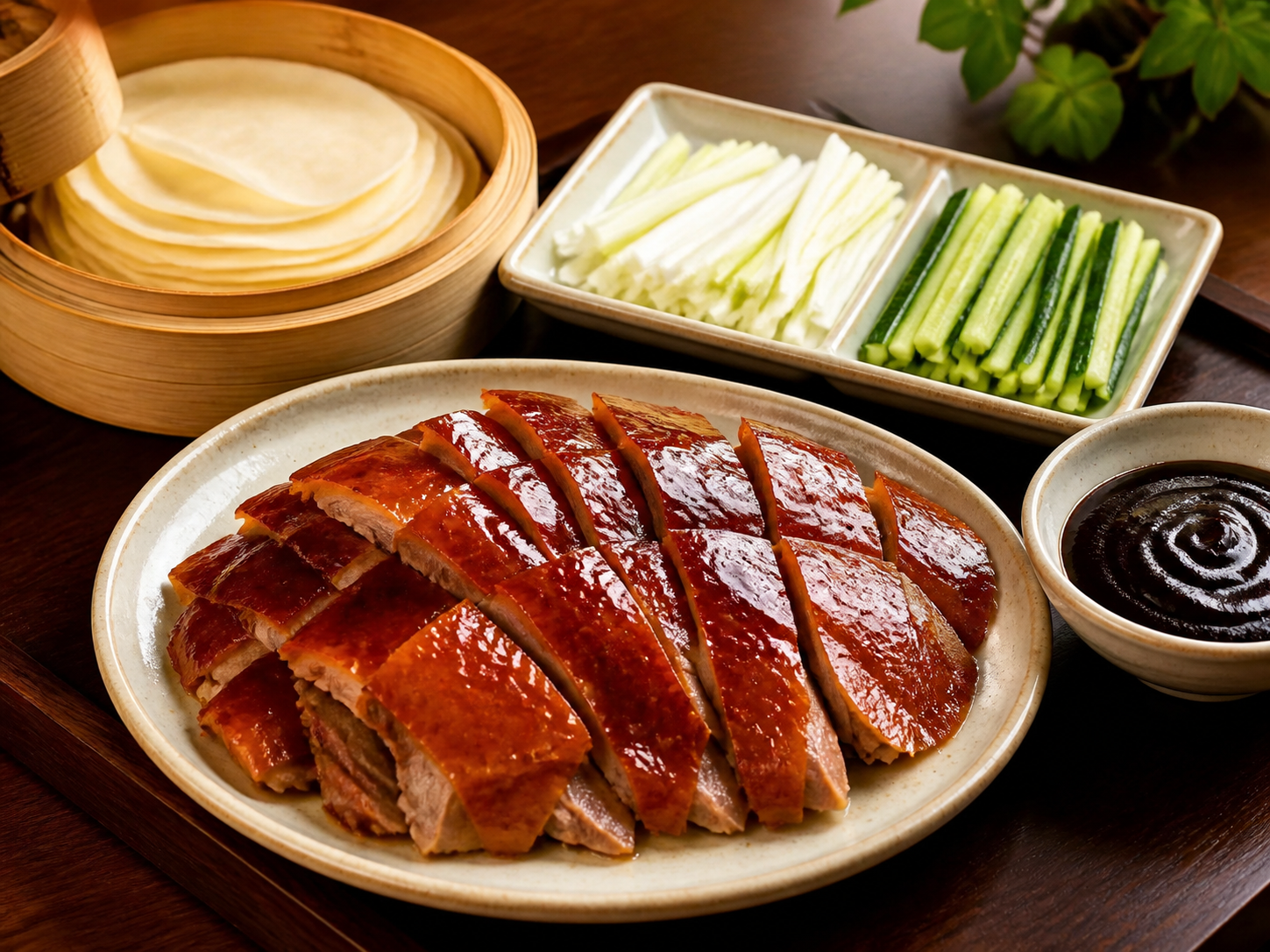
Image: AI-generated local food photograph, no brand or identifiable shop.
Zhajiangmian
Zhajiangmian is wheat noodles topped with a savory fermented-bean meat sauce and fresh vegetable shreds. It is salty, hearty, and easier for many first-time visitors than strongly spiced food.
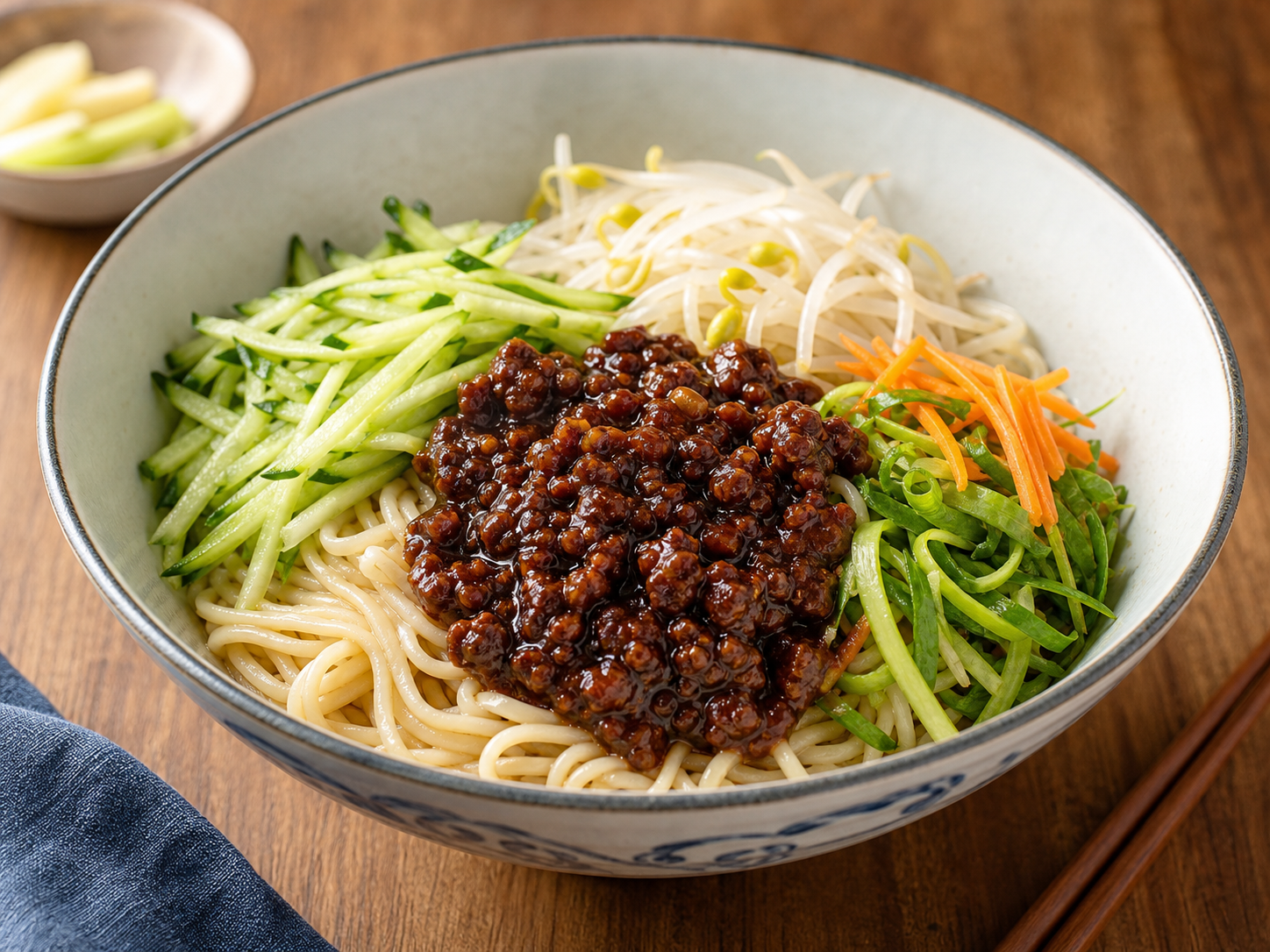
Image: AI-generated local food photograph, no brand or identifiable shop.
Dumplings
Dumplings are a safe first northern food because fillings are easier to ask about. They are made by wrapping meat, vegetables, or mixed fillings in dough, then boiling, steaming, or pan-frying them.
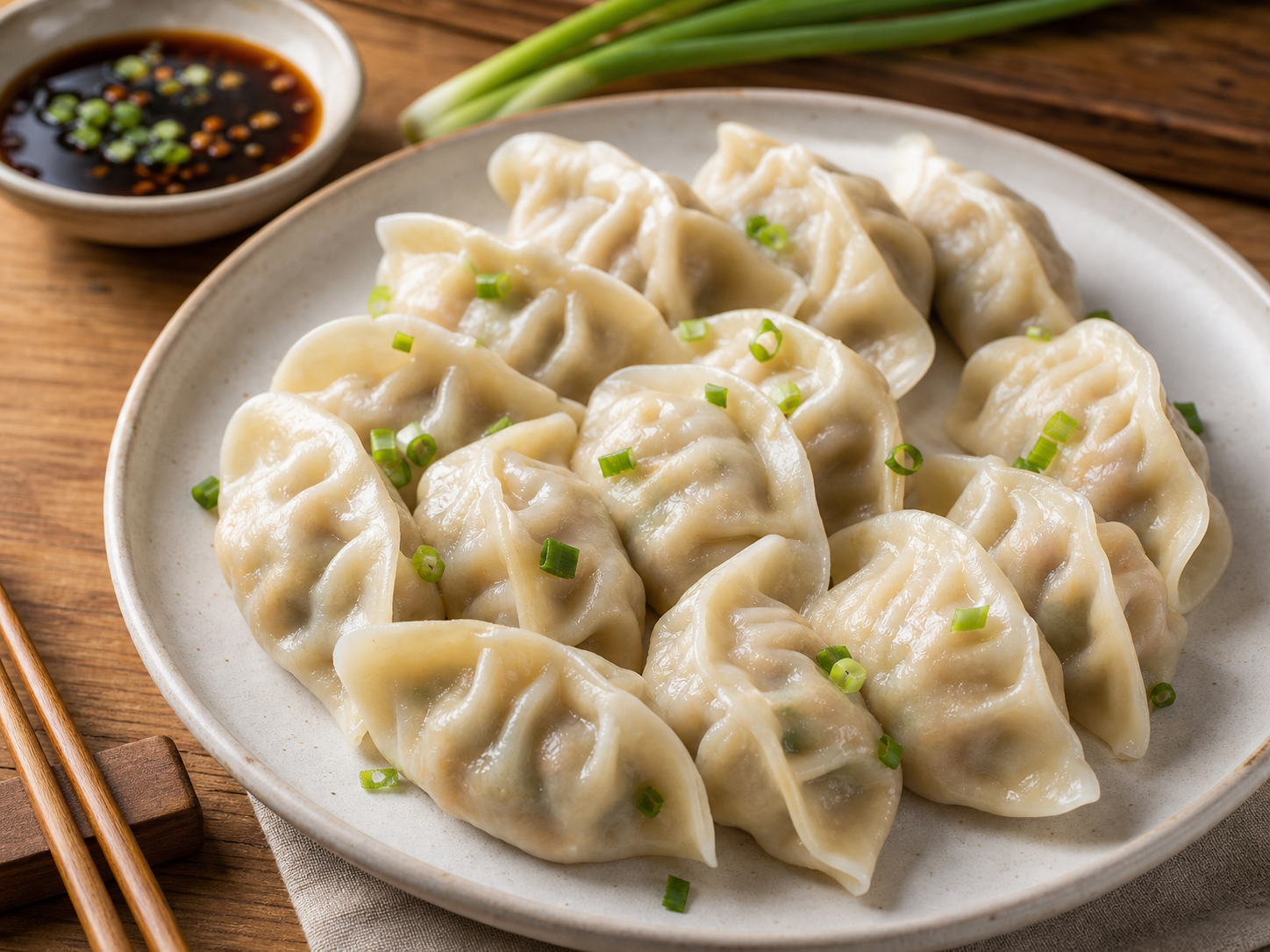
Image: AI-generated local food photograph, no brand or identifiable shop.
Tanghulu
Tanghulu is fruit coated in hard sugar, often hawthorn; it is sweet, sour, crunchy, and better as a snack than a meal.
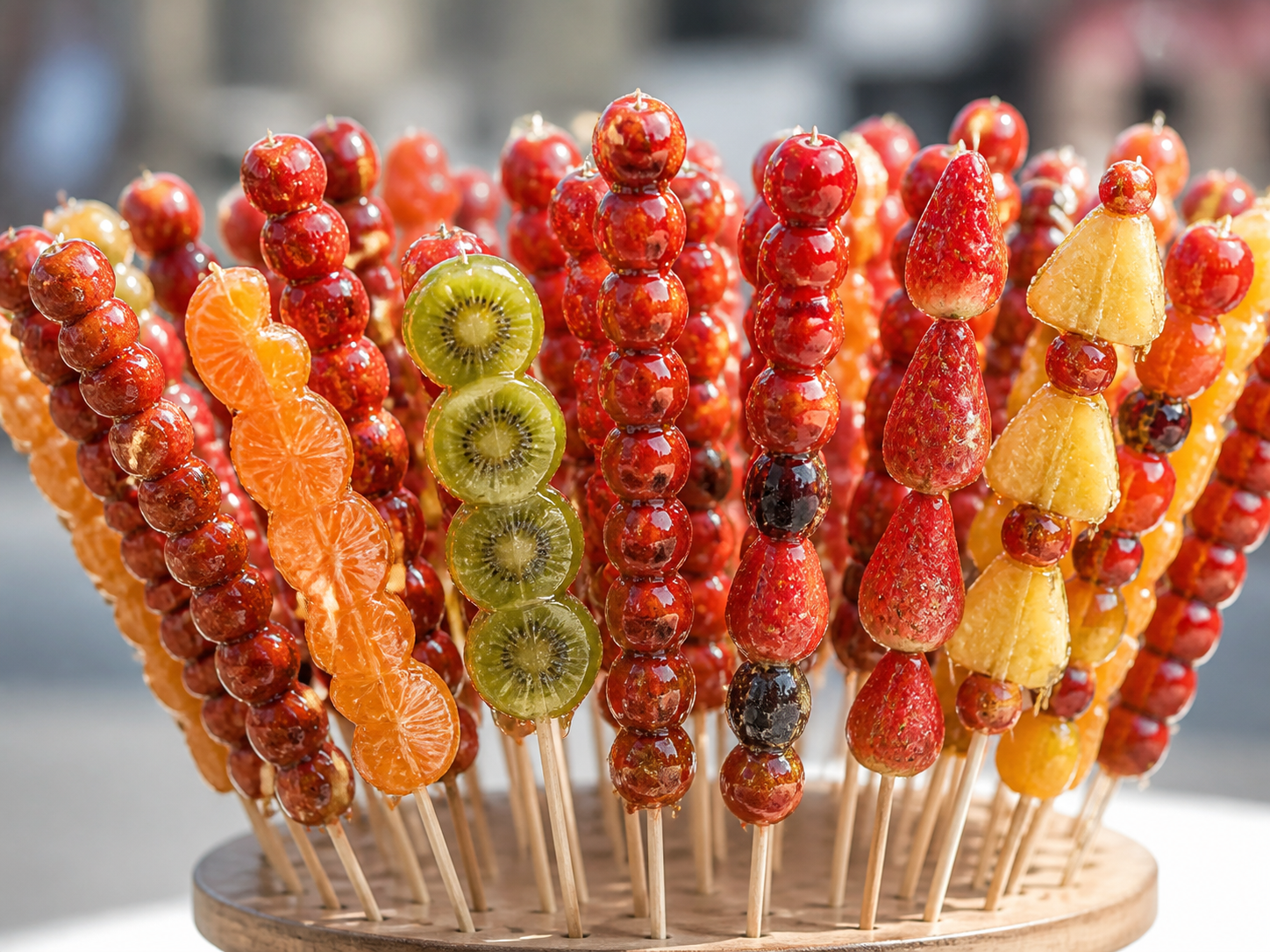
Image: AI-generated local food photograph, no brand or identifiable shop.
Luzhu
Luzhu is a stronger local choice made with stewed wheat cakes, pork offal, and broth. Try it only if you are comfortable with offal and richer street-food flavors.
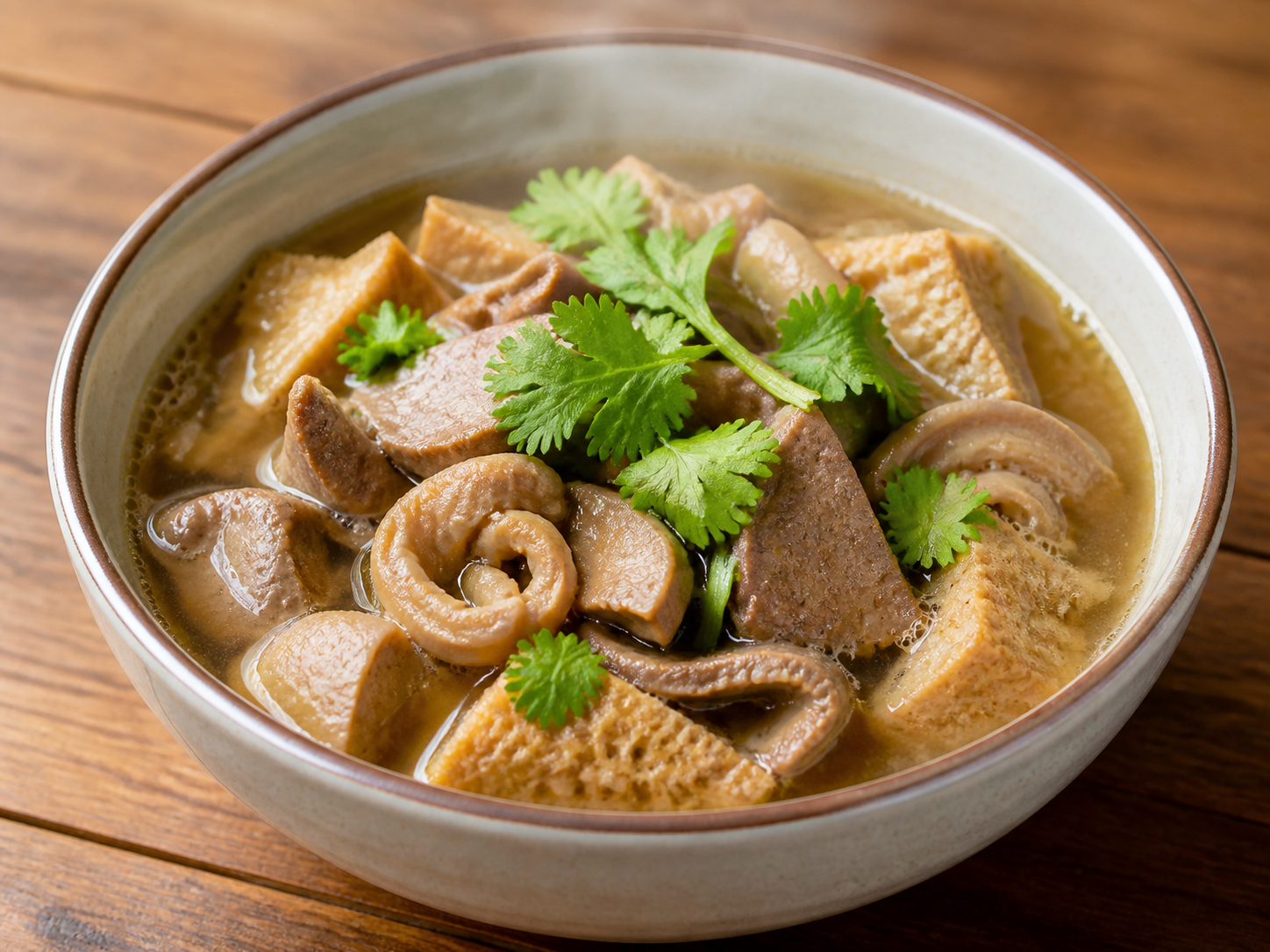
Image: AI-generated local food photograph, no brand or identifiable shop.
Some local foods, such as luzhu, are beloved but intense for first-timers. Start with roast duck, noodles, dumplings, or snacks if you want a gentler first meal. Read How to Order Food in China Without Speaking Chinese.
Timing and comfort tips
Beijing's peak travel periods include Chinese public holidays, summer vacation, and Golden Week. During these periods, major tickets can sell out, security lines grow longer, and Great Wall traffic can be heavy. Book early, start early, and keep one backup plan each day.
The subway is usually the most predictable way to move around the city center. For large scenic areas, bring water, check bag rules, and look for official luggage storage only when the attraction or station clearly provides it. Convenience stores around major commercial streets are easy to find, but do not assume there will be quick food and water inside every museum or heritage zone.
Practical tips
- Reserve major attractions before building the rest of your day.
- Carry your passport when the attraction requires identity verification.
- Do not schedule the Forbidden City and Great Wall on the same day.
- Leave buffer time for distances, security checks, and tired feet.
- Save attraction names and addresses in Chinese on your phone.
- For any route involving the Great Wall, confirm the return journey before you leave central Beijing.
Beijing orientation map

This is a planning map, not a navigation map. It groups the article's sights by rough area so travelers can judge which places are easy to combine in the same day.
Related reading
Booking PDFs
Step-by-step attraction booking guides
Need the exact reservation steps for one Beijing attraction? These single-attraction PDFs are arranged as a compact list so you can pick only the guide you need.
Single attraction PDF
Forbidden City Booking Guide
Step-by-step booking help for the Palace Museum / Forbidden City, with passport notes and entry reminders.
$0.99
Get PDFSingle attraction PDF
Temple of Heaven Booking Guide
Official booking, ticket, time-slot, transport, and entry notes for the Temple of Heaven.
$0.99
Get PDFSingle attraction PDF
Summer Palace Booking Guide
Reservation, ticket, gate-selection, passport, and route-planning help for the Summer Palace.
$0.99
Get PDFSingle attraction PDF
National Museum of China Booking Guide
Real-name reservation, time-slot, passport, release-window, and entry notes for the National Museum of China.
$0.99
Get PDFSingle attraction PDF
China Science and Technology Museum Booking Guide
Ticketing, passport, exhibition, family-visit, and transport notes for the China Science and Technology Museum.
$0.99
Get PDFSingle attraction PDF
Peking University and Tsinghua University Booking Guide
Campus visit reservation and entry guidance for Peking University and Tsinghua University.
$0.99
Get PDFSingle attraction PDF
Jingshan Park Booking Guide
Booking, ticket, gate, passport, and Forbidden City pairing notes for Jingshan Park.
$0.99
Get PDFSingle attraction PDF
Lama Temple Booking Guide
Official WeChat booking, ticket, passport, time-slot, and religious-site etiquette notes for Lama Temple.
$0.99
Get PDFSingle attraction PDF
Bird's Nest Booking Guide
Internal visit reservation, ticket, passport, and Olympic Green visit notes for the National Stadium.
$0.99
Get PDFSingle attraction PDF
Water Cube Booking Guide
Booking, ticket, time-slot, passport, and Olympic Green notes for the National Aquatics Center.
$0.99
Get PDFSingle attraction PDF
798 Art District Booking Guide
Open-area, exhibition, mini-program, passport, payment, and transport notes for 798 Art District.
$0.99
Get PDFSingle attraction PDF
Sanlitun Booking Guide
Open-district, payment, event-ticket, transport, and nightlife notes for Sanlitun and Taikoo Li Sanlitun.
$0.99
Get PDFSingle attraction PDF
Nanluoguxiang Booking Guide
Open-lane, nearby reservation, transport, payment, and crowd-planning notes for Nanluoguxiang.
$0.99
Get PDFSingle attraction PDF
Panjiayuan Booking Guide
Market-entry, payment, bargaining, transport, and practical visit notes for Panjiayuan.
$0.99
Get PDFSources and reference checks
- https://www.dpm.org.cn/Visit.html
- https://english.visitbeijing.com.cn/article/47OLmJMRlkk
- https://english.visitbeijing.com.cn/article/4Jy93YVNH4l
- https://english.visitbeijing.com.cn/article/47OLmJHuDdt
- https://whlyj.beijing.gov.cn/
- https://english.beijing.gov.cn/latest/photos/202308/t20230801_3212118.html
Conversation
Questions and comments
Share a question, correction, or reading note. Most comments appear automatically. Some are held briefly for review.
Need a private reply? Email chiyaoyaoya@gmail.com.
Loading comments...