Destinations in China
Xi'an for First-Time Visitors
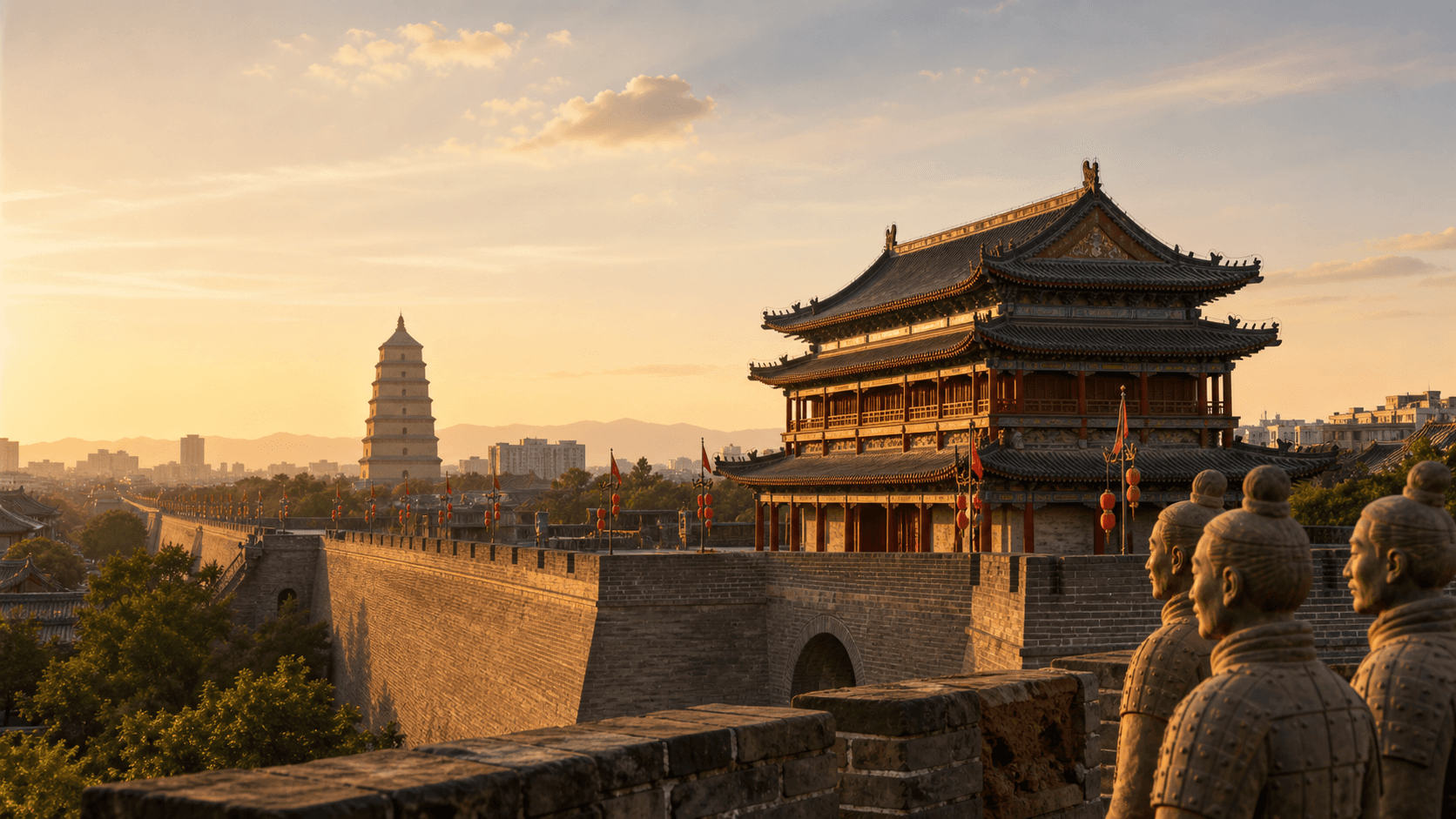
A first Xi'an guide for travelers who want the Terracotta Army, city wall, Giant Wild Goose Pagoda, and a clear sense of ancient Chang'an.
- Last updated
- 2026-06-04
- Best for
- History lovers, Silk Road curiosity, and travelers who want a compact ancient-capital experience
- May change
- Museum reservations, ticketing, performance schedules, opening hours, and transport details
Why Xi'an belongs on an early China itinerary
Xi'an, historically known as Chang'an, makes ancient China easier to picture. It is commonly described in Chinese history writing as an ancient capital for 13 dynasties, including major periods such as the Western Zhou, Qin, Han, Sui, and Tang. The Shaanxi government tourism guide connects the city with the Terracotta Army, the Silk Road, Buddhism, and a compact central grid within the city wall.
A realistic two-day rhythm
- Day one: Give the Terracotta Army its own half-day or full day, depending on transport and your museum pace.
- Day two: Walk or cycle a section of the city wall, then visit the Giant Wild Goose Pagoda area.
If you have a third day, add the Bell Tower and Drum Tower, Muslim Quarter, Shaanxi History Museum, or Grand Tang Mall. Xi'an is compact enough for a rich city-center day, but museums and night areas still need planning.
Terracotta Army: do not rush the archaeology
The Terracotta Army is associated with the mausoleum of Qin Shi Huang, the first emperor of a unified China. The Qin Dynasty lasted from 221 to 206 BCE, a short period politically but a decisive one for imperial unification, standardization, and state power. It is outside the central city, so plan the journey and reservation details before leaving your hotel.
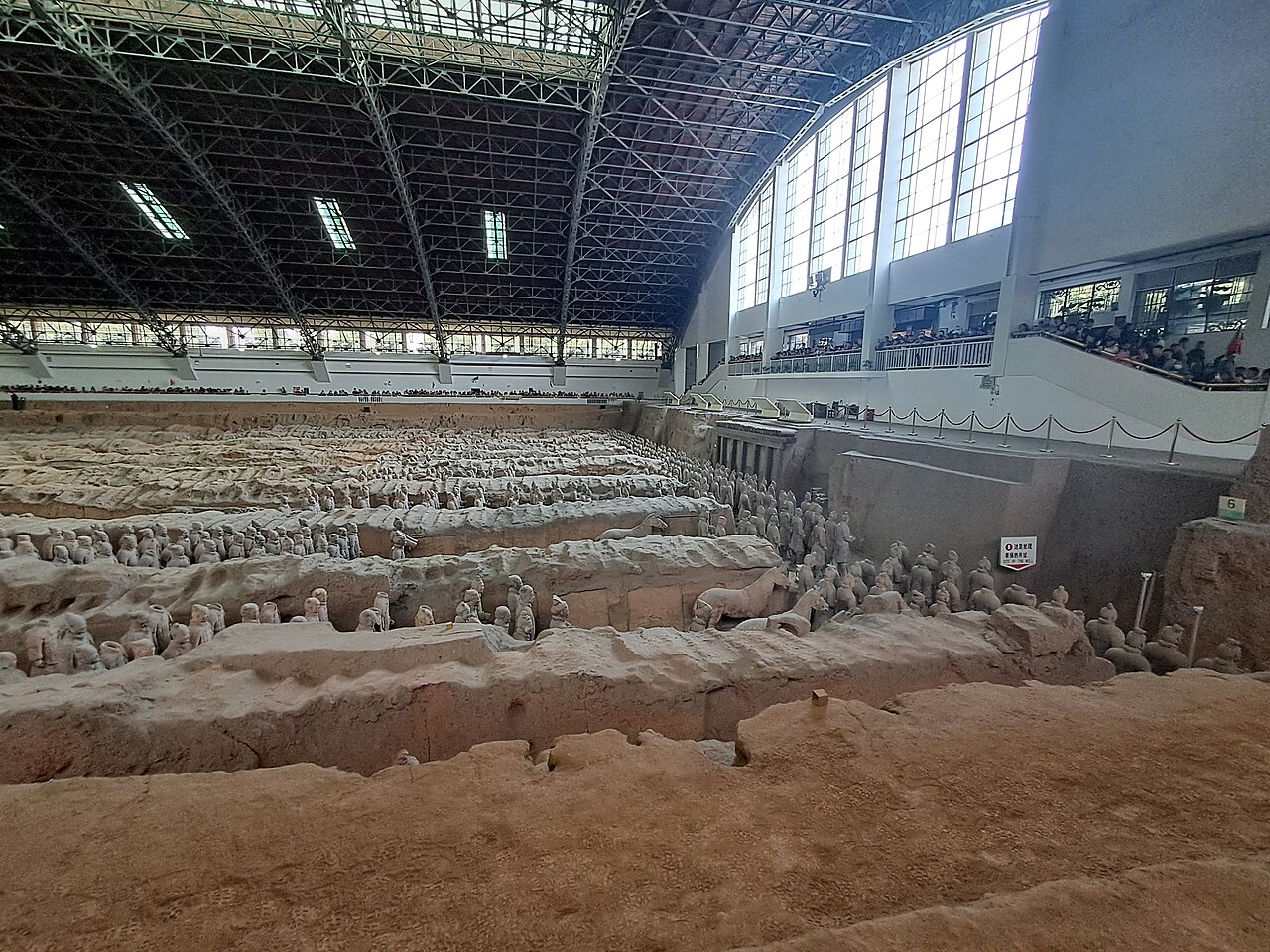
Photo: Wikimedia Commons, Ideophagous, open license.

Let the museum be the main event. A wall of figures is visually striking, but the deeper story is about imperial power, funerary culture, and the scale of Qin state organization.
Xi'an City Wall: understand the city from above
The Shaanxi government site describes Xi'an City Wall as one of China's best-preserved ancient city walls and one of the world's large ancient military defensive systems. The South Gate, Yongning Gate, is a convenient and visually strong starting point near the city center.
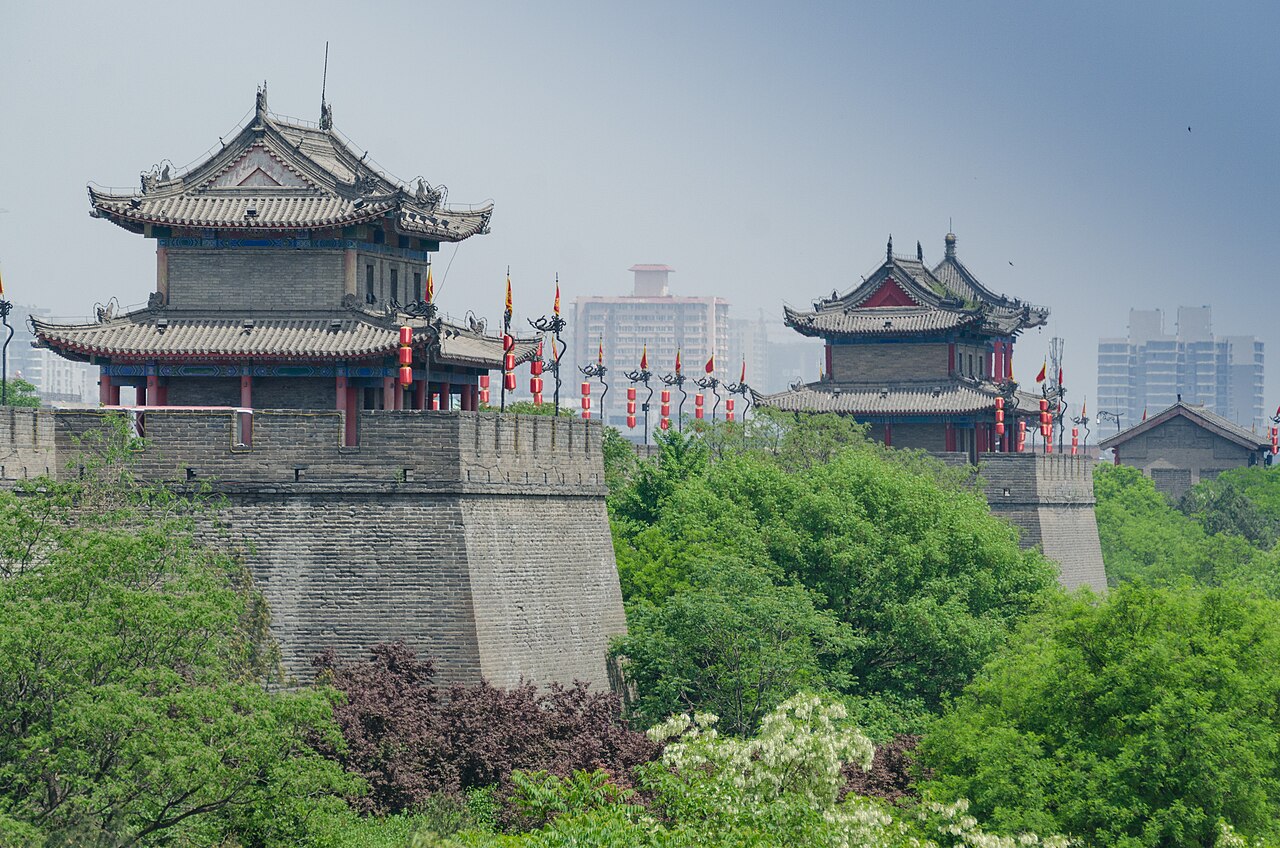
Photo: Wikimedia Commons, Wikimedia Commons contributor, open license.
You do not have to complete the entire circuit. Choose a shorter walk or cycle based on weather and energy, then leave room for the streets below.
Giant Wild Goose Pagoda: a Silk Road and Buddhist landmark
The Giant Wild Goose Pagoda stands within Da Ci'en Temple. According to the Shaanxi government site, it was completed in AD 652 during the Tang Dynasty (618-907) to house Buddhist sutras brought back from India by the monk Xuanzang. The monk often called "Tang Sanzang" or "Tang Monk" in later culture was based on this historical Xuanzang; the famous fictional Tang Monk in *Journey to the West* was created from his story. The building offers a concise way to connect Xi'an with the wider exchange networks of the Silk Road.
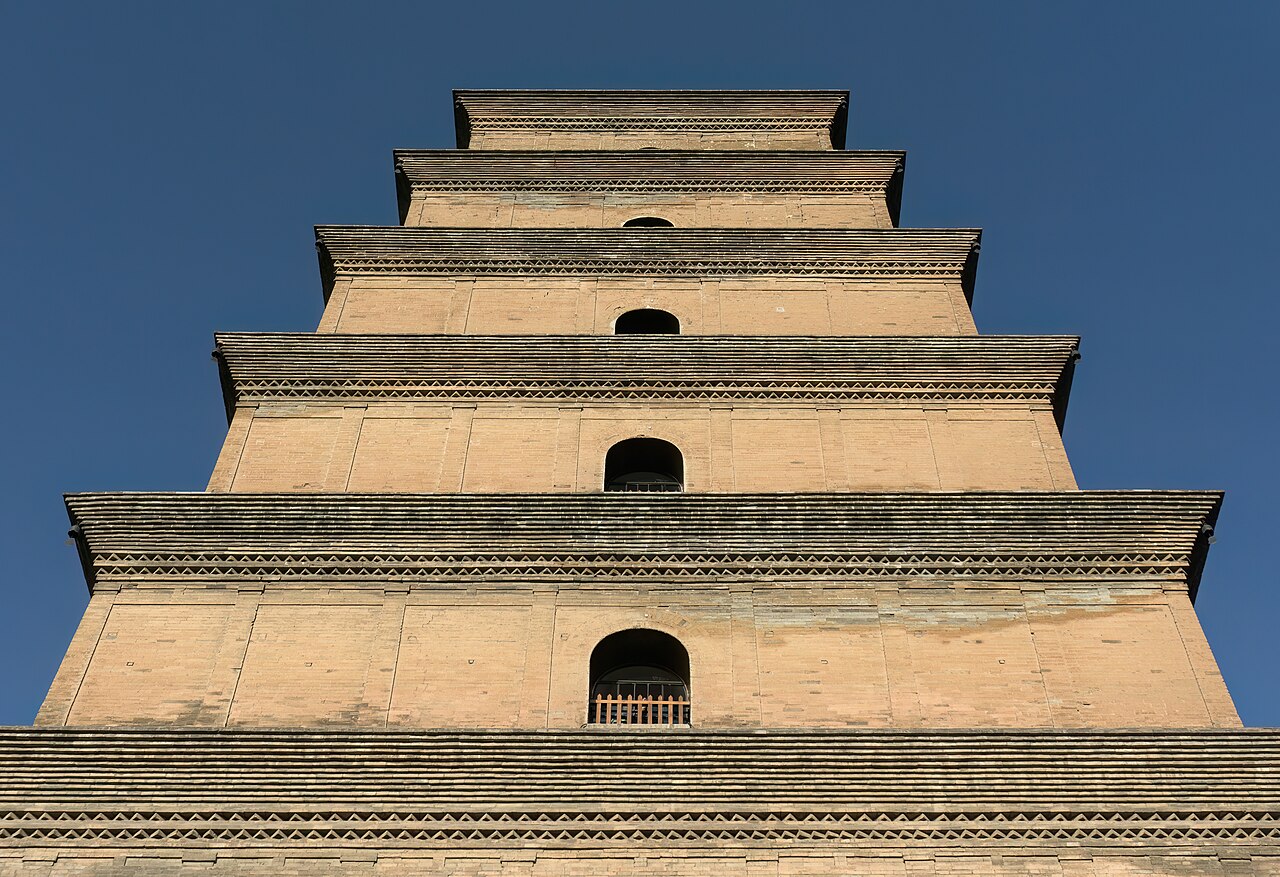
Photo: Wikimedia Commons, Alexey Komarov, open license.

More places to consider
The Bell Tower and Drum Tower mark the old city center. Shaanxi's official introduction notes that Bell Tower stands at the intersection of the city's four main roads, and the Drum Tower sits nearby. Muslim Quarter is useful for food and atmosphere, but it can be crowded, so go with patience. Shaanxi History Museum is a high-value stop for history lovers; check reservation rules early. Grand Tang Mall, at the foot of the Giant Wild Goose Pagoda, is described by the official Shaanxi site as a major Tang-culture tourism destination.
Detailed backup routes if you stay longer
Xi'an rewards extra time because its backup routes are not minor. They deepen the main story of ancient Chang'an.
Bell Tower + Drum Tower + Muslim Quarter
Plan 3-5 hours. This is the easiest city-center backup route. The towers explain Xi'an's old urban axis, while Muslim Quarter adds food and Silk Road texture. Go earlier for calmer photos or later for atmosphere; expect crowds and strong food smells.
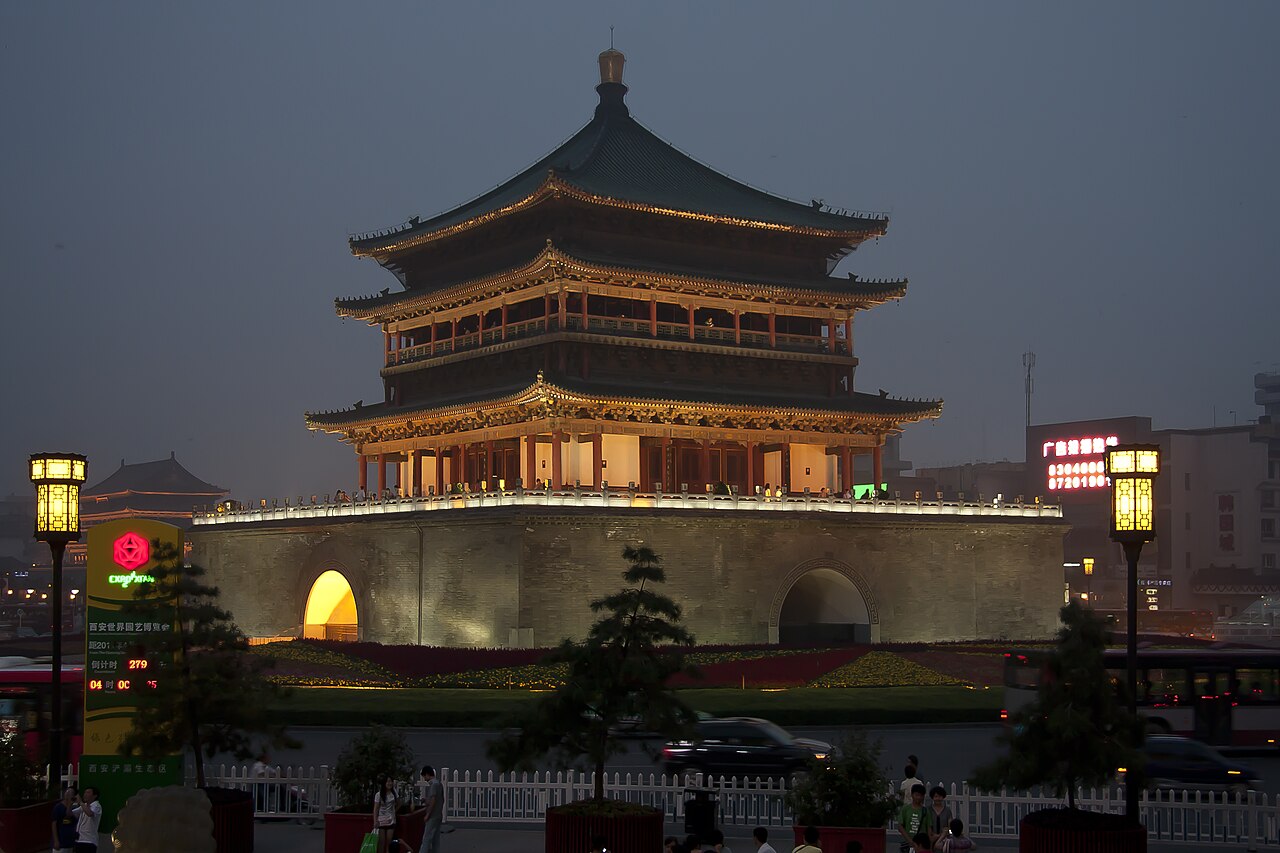
Photo: Wikimedia Commons, This image was produced by me, David Castor ( user:dcastor ). The pictures I submit to the Wikipedia Project are released to the public doma, open license.

Shaanxi History Museum half-day
Plan 3-4 hours, plus reservation effort. This is one of the best ways to understand why Xi'an matters, but it can be hard to book. If reservations are full, use Xi'an Museum or Forest of Stone Steles as a history-focused alternative.
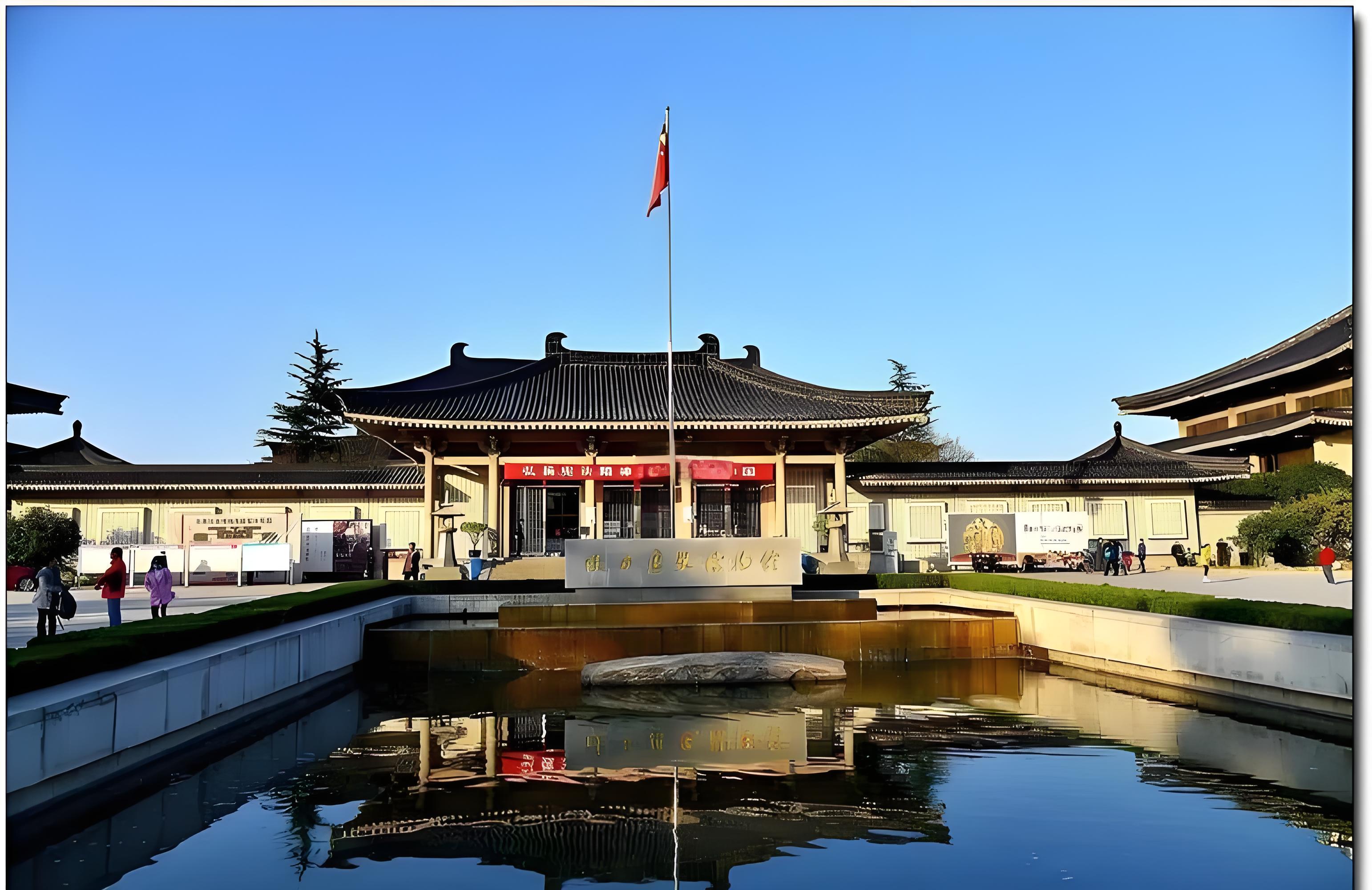
Photo: Local reference image provided for this guide.
Grand Tang Mall evening route
Plan 2-3 hours after dinner or near sunset. It is a modern pedestrian zone using Tang-style visual language, lights, performances, and crowds. It is not ancient Chang'an, but it helps visitors feel how the city presents Tang culture today.
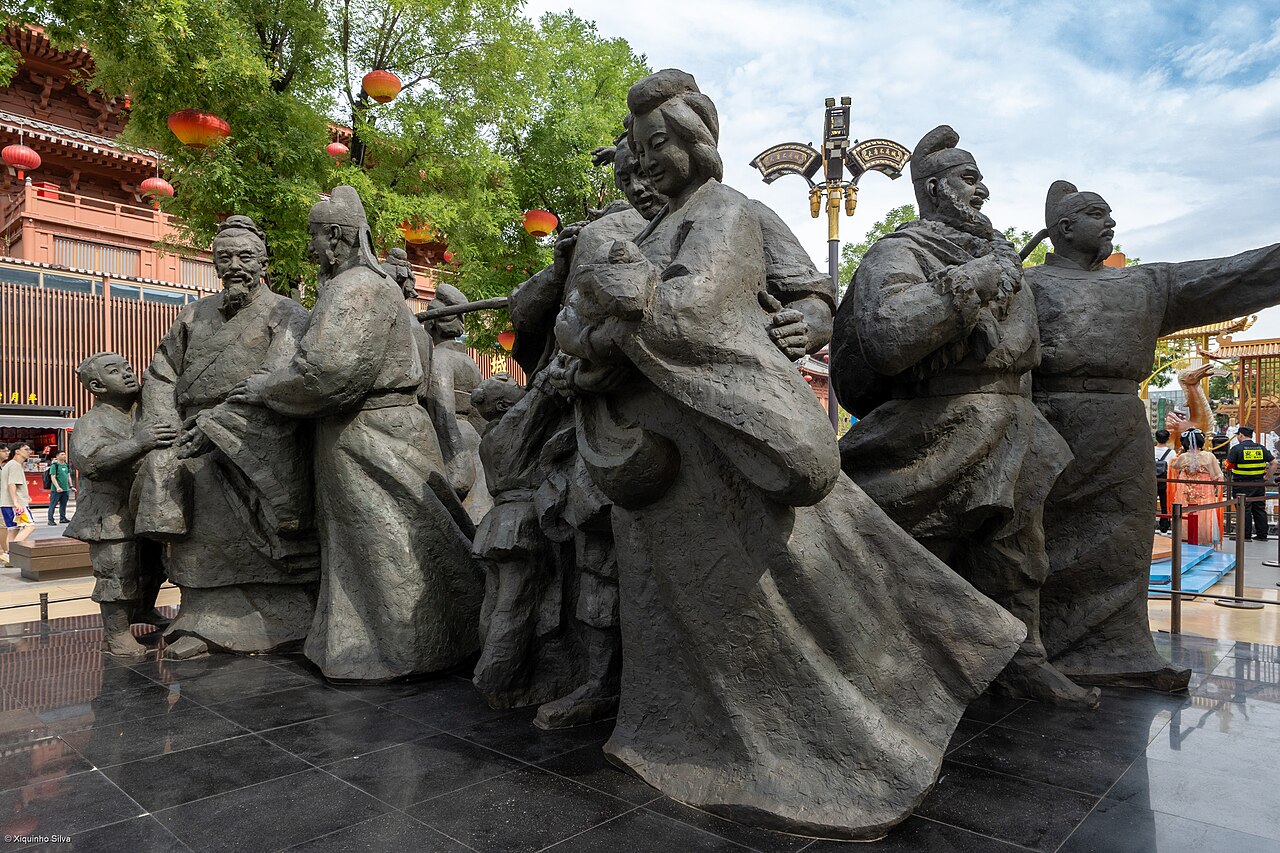
Photo: Wikimedia Commons, xiquinhosilva, open license.

Huashan day trip
Plan a full day and treat it as weather-dependent. Huashan is one of China's traditional Five Great Mountains and has long associations with Daoist practice, mountain pilgrimage, and dramatic cliffside routes. It is a mountain trip, not a casual city add-on. Check transport, cableway operations, fitness, and fear of heights before committing.
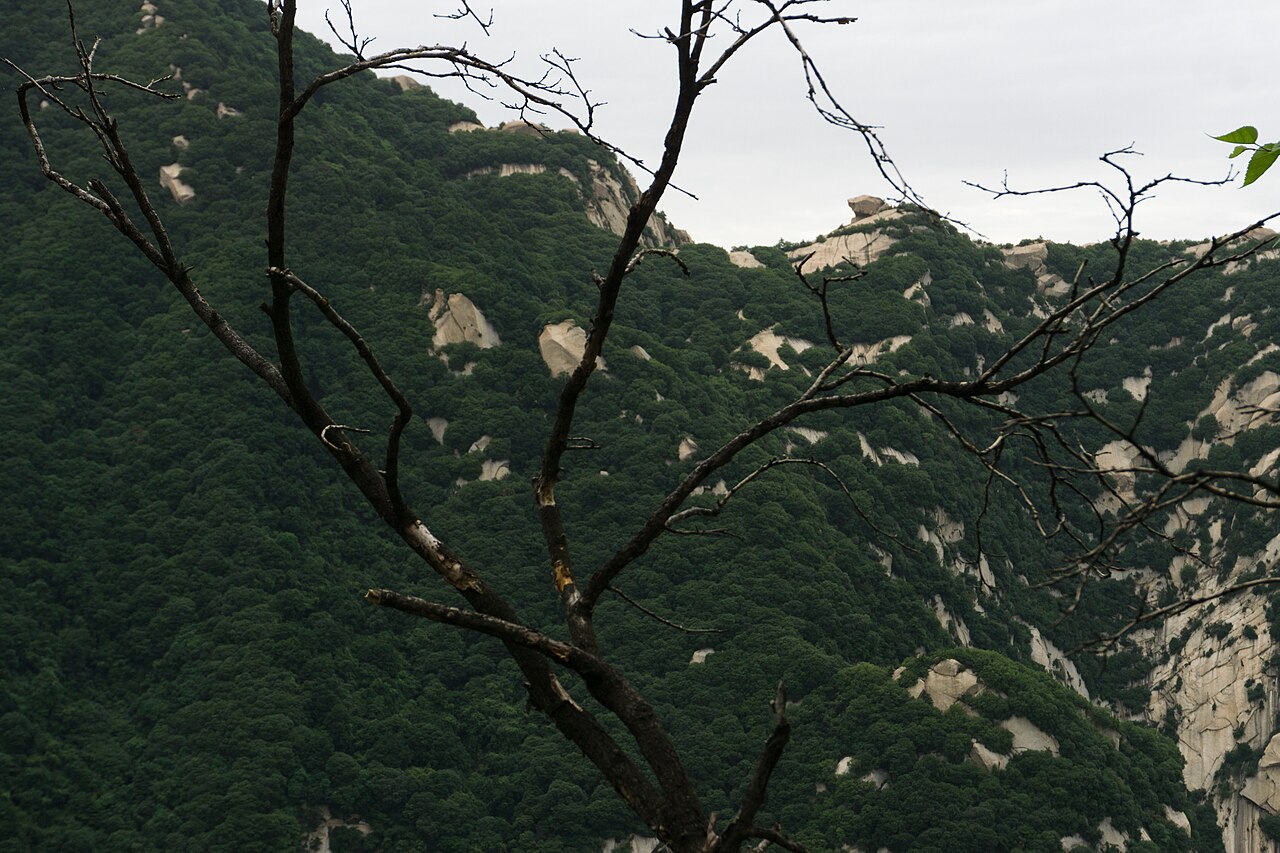
Photo: Wikimedia Commons, Alexey Komarov, open license.

More Xi'an add-ons by theme
Temples and pagodas
Guangren Temple, Ancient Guanyin Temple, and Small Wild Goose Pagoda are quieter complements to the main ancient-capital route. Plan 2-4 hours for one or two. Ancient Guanyin Temple can be especially seasonal because of its famous ginkgo tree; check current reservation and access notices.
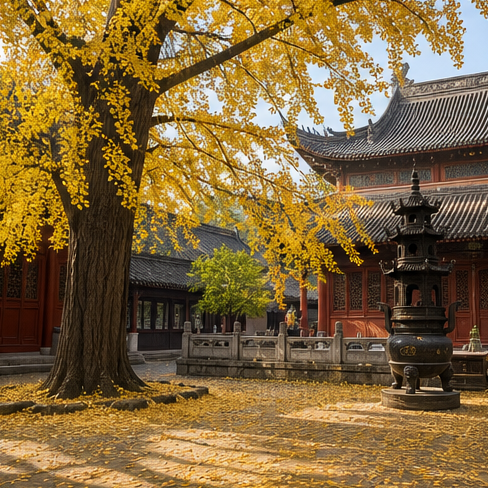
Image: AI-generated local attraction image, used as a stable visual reference.
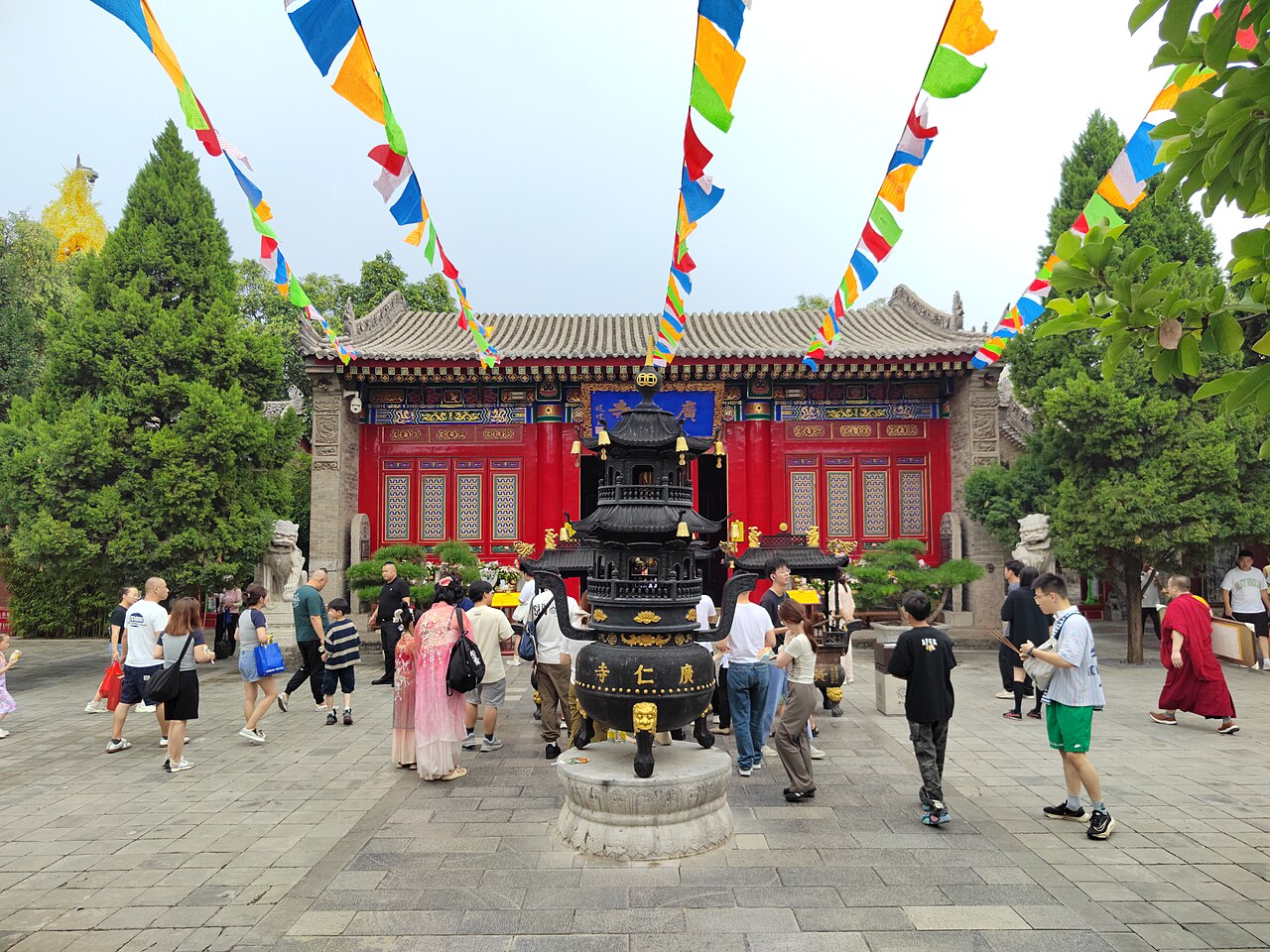
Photo: Wikimedia Commons, 沈澄心, open license.

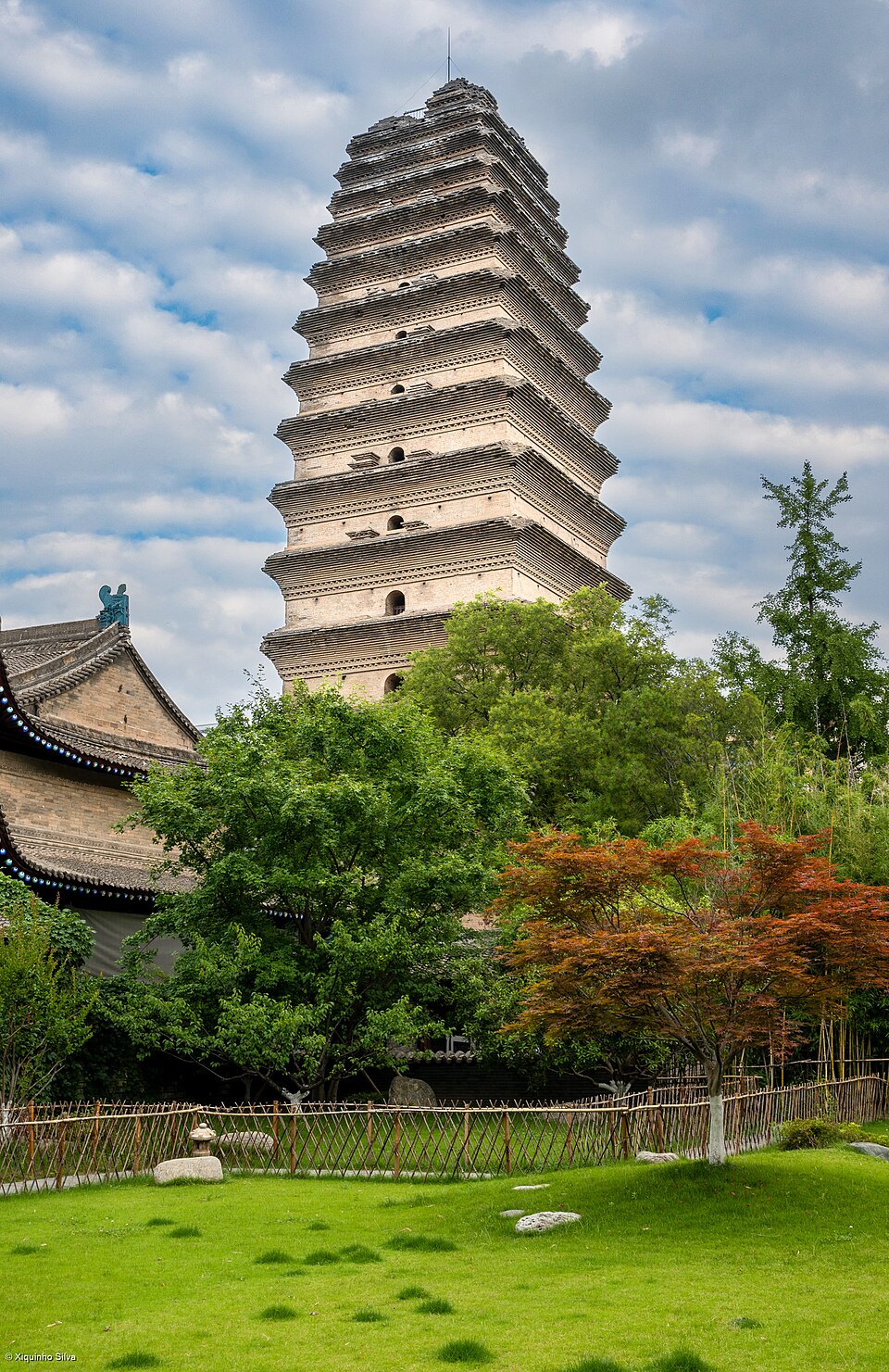
Photo: Wikimedia Commons, xiquinhosilva, open license.

Archaeology and Huaqing Palace
Shaanxi Archaeology Museum is a strong add-on for travelers who want excavation context beyond display cases. Plan 2-3 hours and check reservation rules.
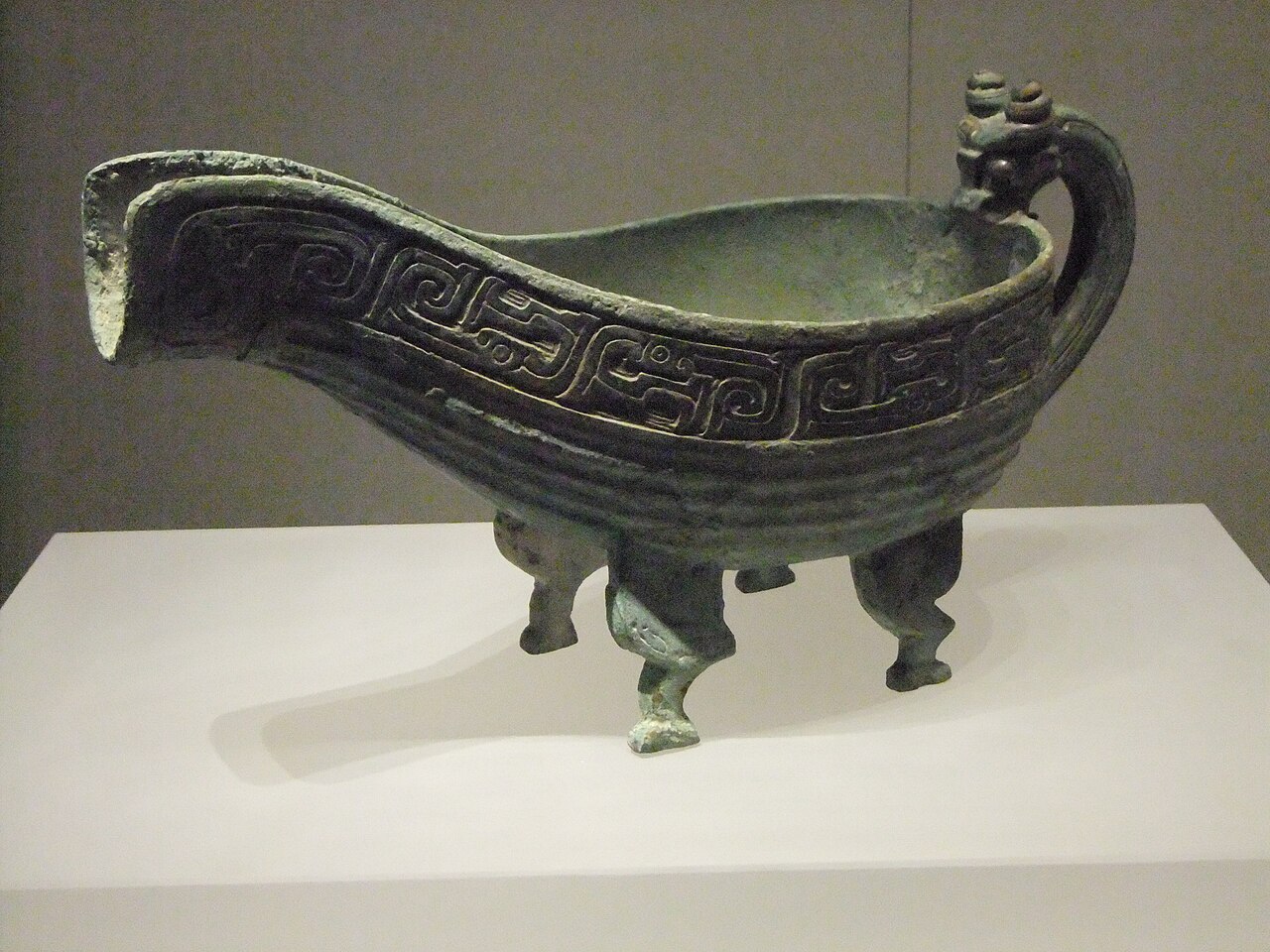
Photo: Wikimedia Commons, Huangdan2060, open license.

Huaqing Palace can pair with the Terracotta Army because both are in the Lintong direction. The evening performance The Song of Everlasting Sorrow is famous for using the palace and mountain setting. Check the Huaqing Palace official site or official ticket channel for show season, weather cancellation rules, and whether English subtitles or English-support materials are available for the specific performance you book; do not assume every show has full English support.
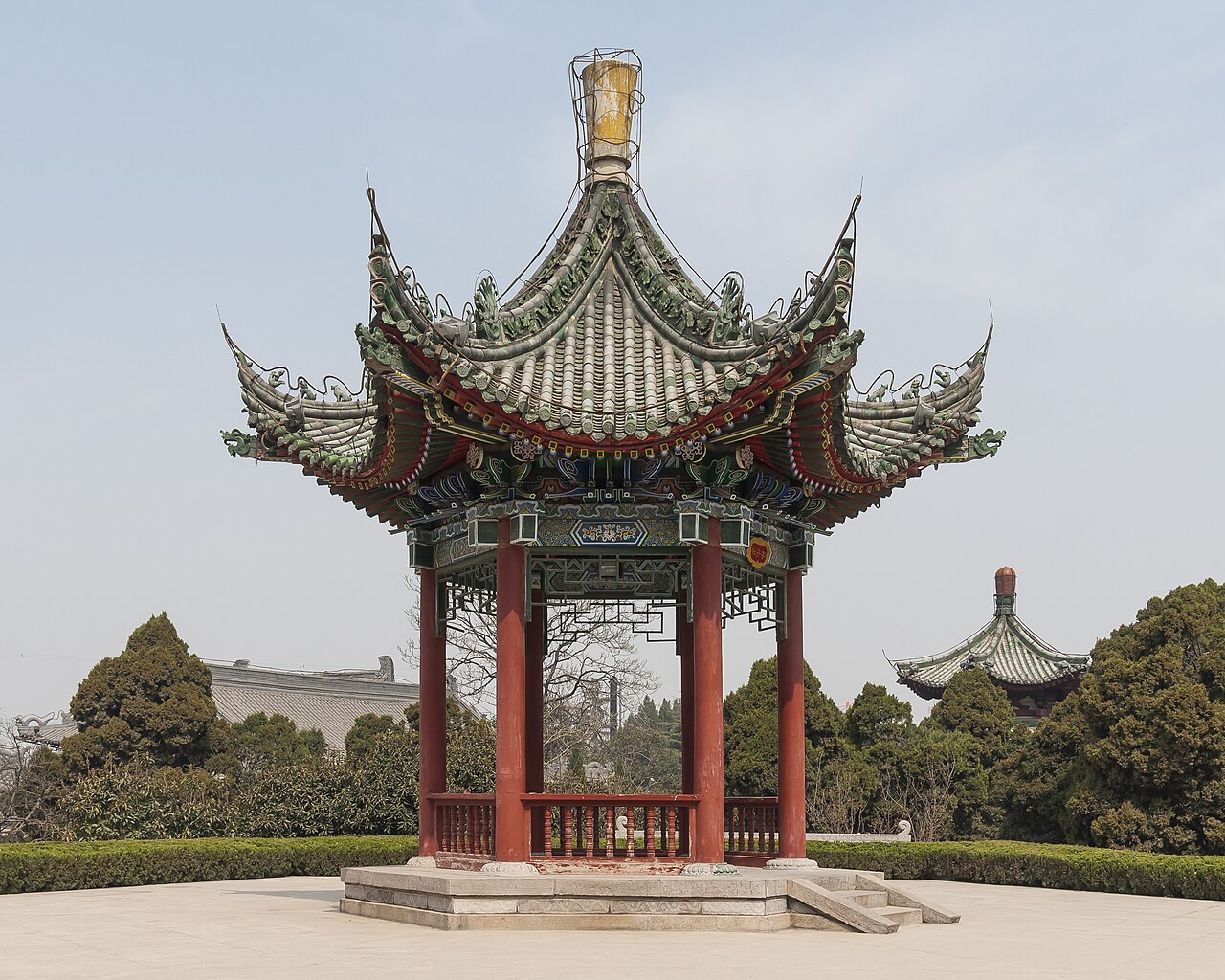
Photo: Wikimedia Commons, CEphoto, Uwe Aranas, open license.

Old-city streets and Hanfu experience
Shuyuanmen, Gao Family Courtyard, and Yongxingfang are useful for calligraphy-street atmosphere, courtyard architecture, and snacks. Plan 2-4 hours.
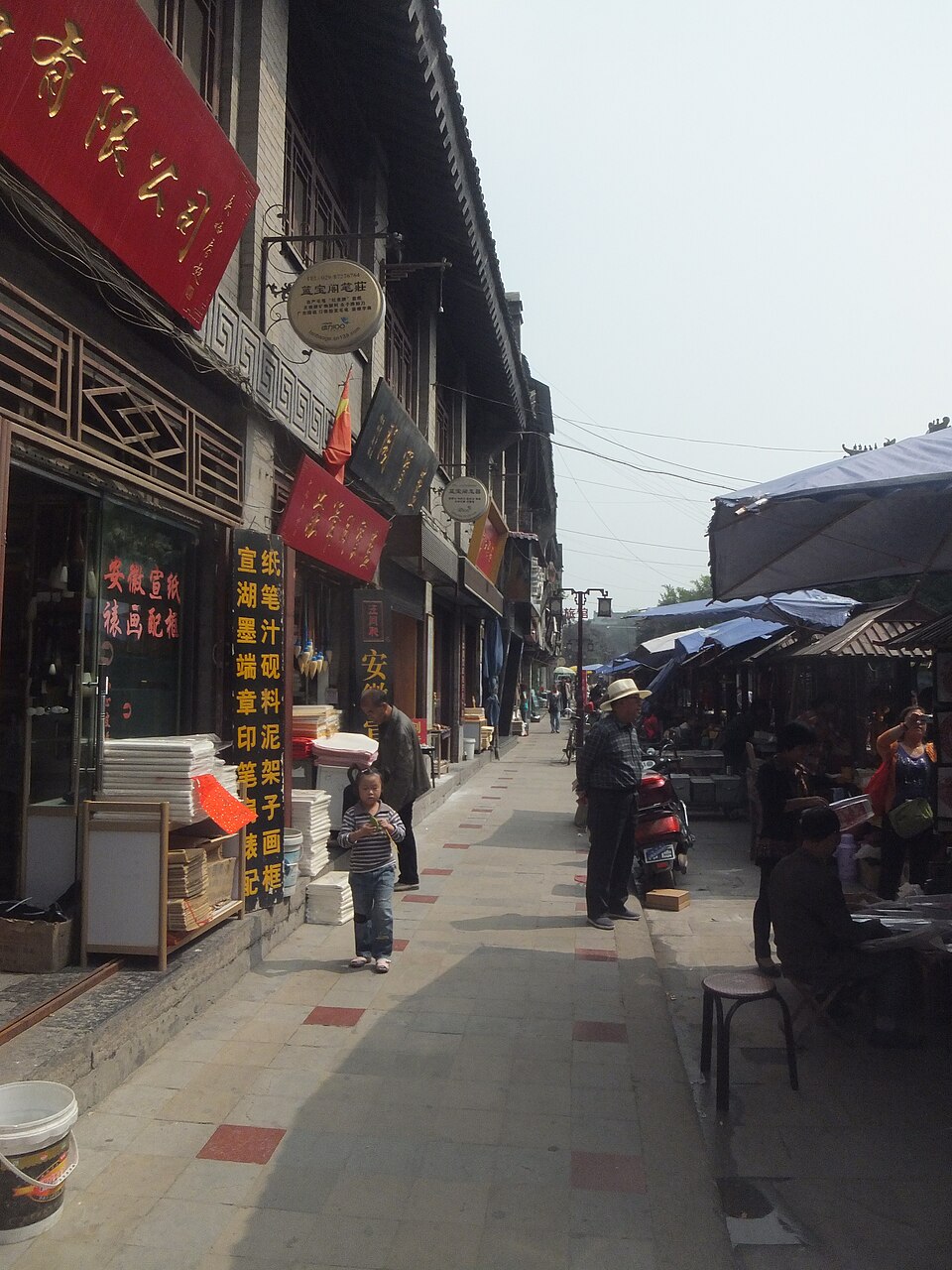
Photo: Wikimedia Commons, No machine-readable author provided. WolfgangMichel assumed (based on copyright claims)., open license.

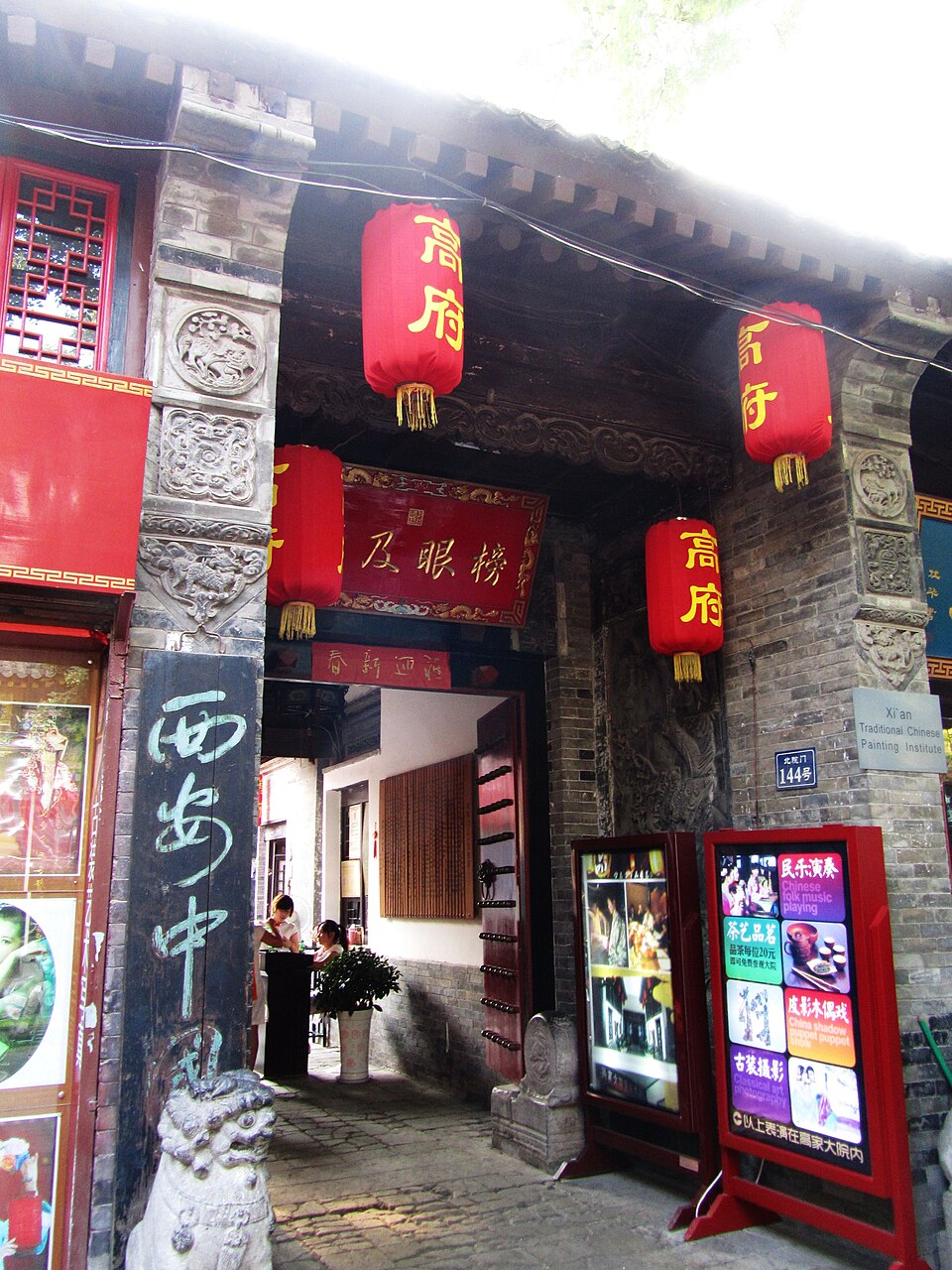
Photo: Wikimedia Commons, 猫猫的日记本, open license.

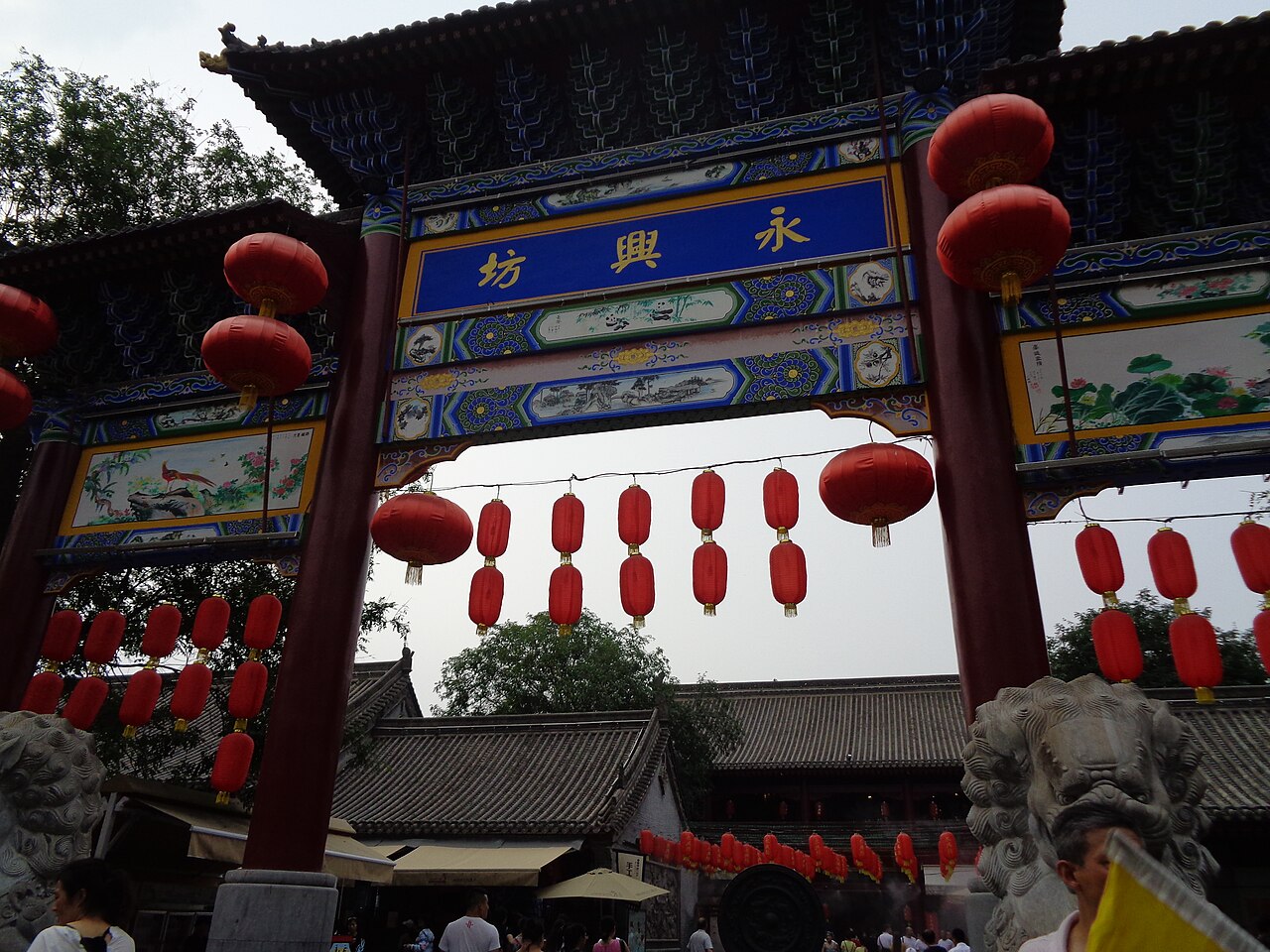
Photo: Wikimedia Commons, Liuxingy, open license.

Xi'an is also one of the easiest cities to try Hanfu rental and makeup. Search Chinese social platforms such as Xiaohongshu with terms like `西安 汉服 妆造`, `大唐不夜城 汉服`, or `西安 汉服租赁`. Shops often require a deposit, an ID/passport check, a return time, and extra fees for makeup, hair accessories, photography, or overtime. Confirm whether the shop can handle foreign passports before booking.
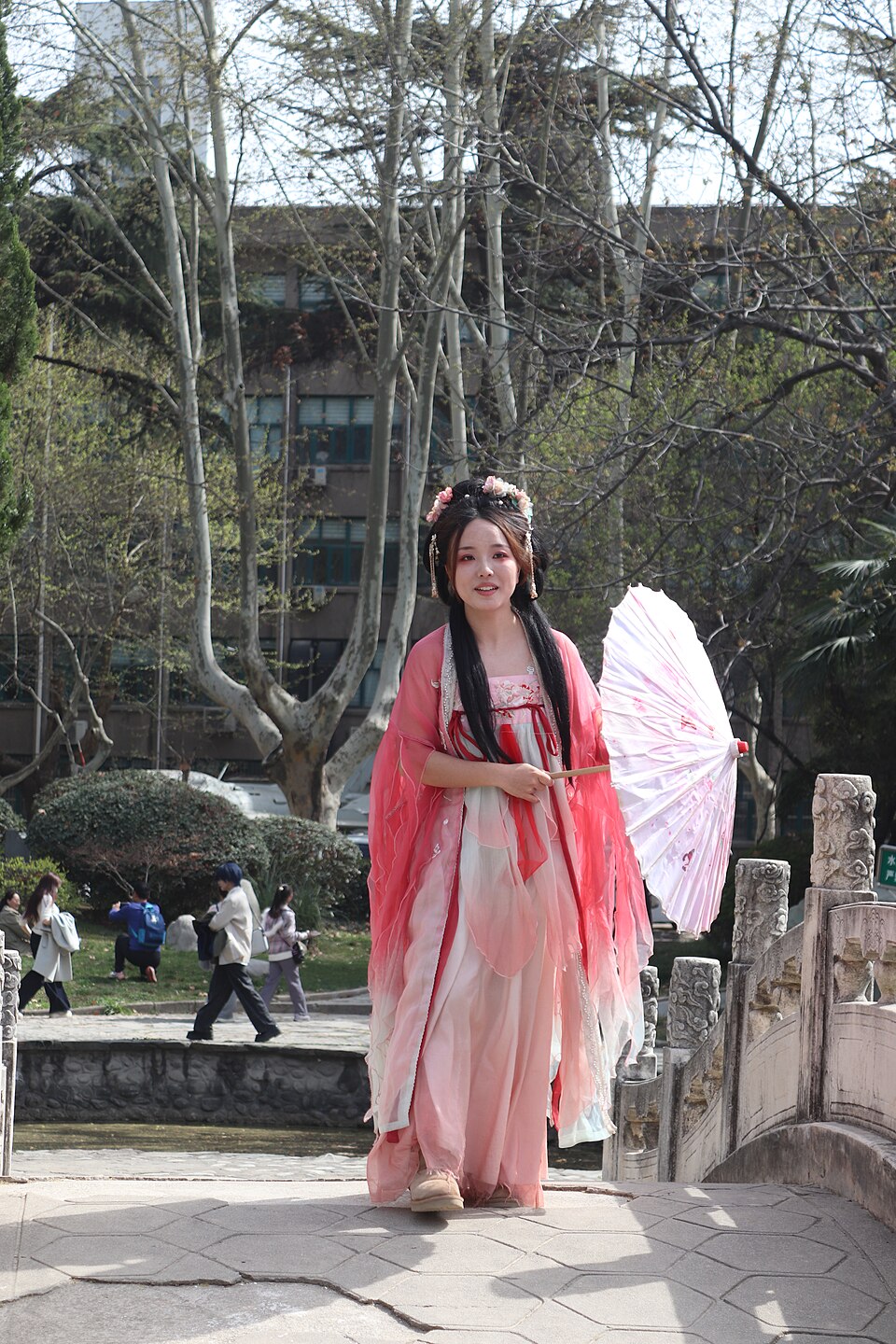
Photo: Wikimedia Commons, Liuxingy, open license.

Food notes
Xi'an is a good city for travelers who enjoy wheat-based foods and stronger flavors. Muslim Quarter and areas around the Bell and Drum Towers are convenient for snacks; sit-down restaurants are easier if you need help with allergies or spice levels.
Roujiamo
Roujiamo is often described as a Chinese-style meat sandwich: chopped stewed meat is packed into a flatbread.
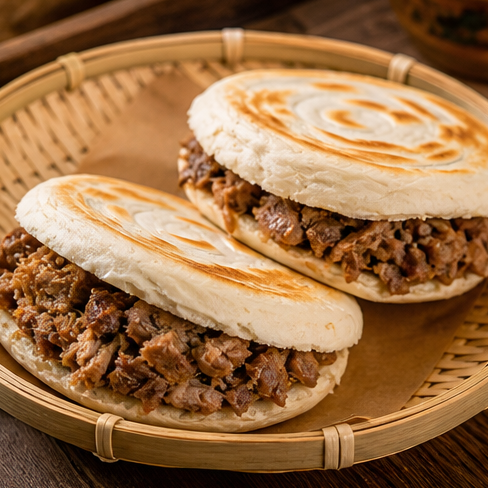
Image: AI-generated local food photograph, no brand or identifiable shop.
Biangbiang noodles
Biangbiang noodles are wide hand-pulled noodles usually served with chili oil, vegetables, and a savory sauce.
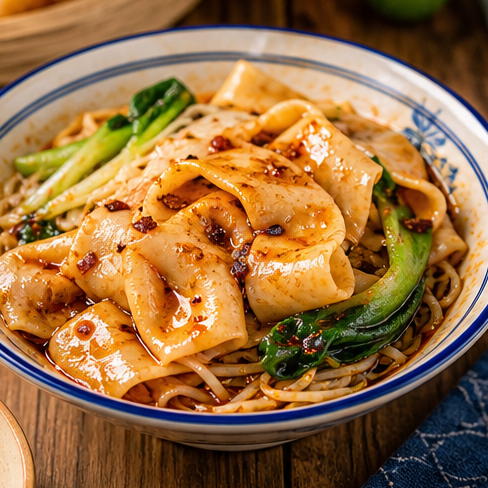
Image: AI-generated local food photograph, no brand or identifiable shop.
Liangpi
Liangpi are cold noodles or cold starch sheets with vinegar, chili, sesame, and wheat-gluten textures. They are refreshing in hot weather.
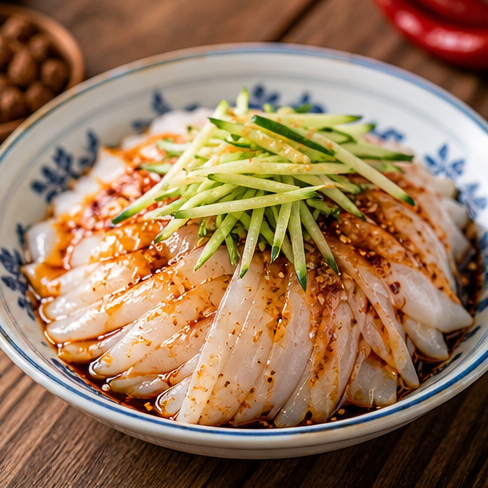
Image: AI-generated local food photograph, no brand or identifiable shop.
Yangrou paomo
Yangrou paomo is a lamb-and-bread soup: diners traditionally tear flatbread into pieces before broth and meat are added.
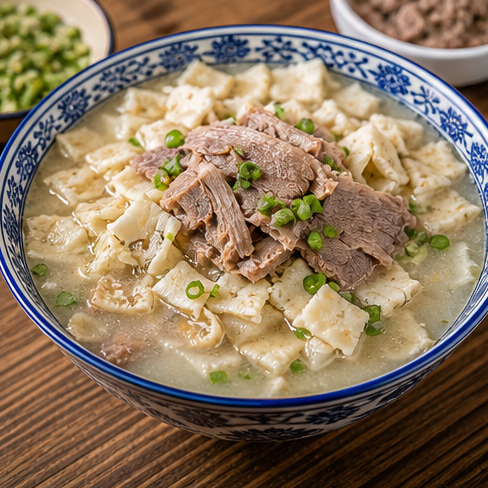
Image: AI-generated local food photograph, no brand or identifiable shop.
Zenggao
Zenggao is a dense, sweet sticky-rice snack or dessert often made with dates and beans.
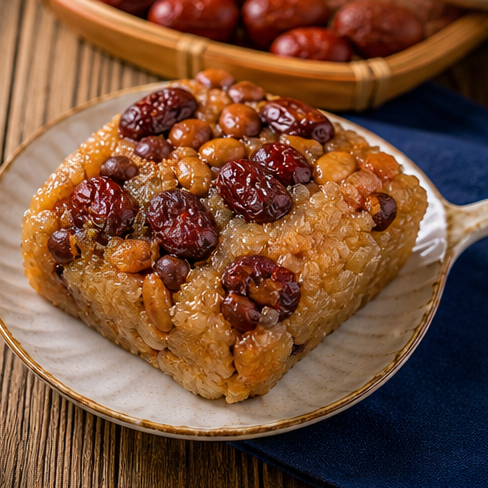
Image: AI-generated local food photograph, no brand or identifiable shop.
Timing and side trips
Public holidays and school vacations can make the Terracotta Army and Grand Tang Mall very crowded. Book museum visits early, start major excursions in the morning, and keep evenings flexible.
Huashan is a famous mountain side trip from Xi'an, but it is a serious day rather than a casual add-on. Check weather, transport, cableway operations, and your own fitness before committing.
Practical tips
- Check museum reservations before your arrival day.
- Treat the Terracotta Army as a separate excursion from the city-center route.
- Carry water for the wall, especially in warmer months.
- Save attraction names in Chinese and confirm pickup points carefully.
- Leave your evening flexible: Xi'an is enjoyable after the formal sightseeing ends.
- Do not make Grand Tang Mall your only evening option during major holidays; crowd controls may change movement routes.
Xi'an orientation map

This is a planning map, not a navigation map. It groups the article's sights by rough area so travelers can judge which places are easy to combine in the same day.
Related reading
Sources and reference checks
- https://en.shaanxi.gov.cn/tourism/tt/tr/201712/t20171214_1594931.html
- https://en.shaanxi.gov.cn/tourism/aic/xa_2120/201712/t20171210_1595308.html
- https://en.shaanxi.gov.cn/tourism/ms/201705/t20170516_1594551_wap.html
- https://en.shaanxi.gov.cn/ThisisShaanxi/202009/t20200908_1632376.html
- https://en.shaanxi.gov.cn/news/sn/202602/t20260204_3610741.html
- https://en.shaanxi.gov.cn/as/photos/202601/t20260104_3601897.html
Conversation
Questions and comments
Share a question, correction, or reading note. Most comments appear automatically. Some are held briefly for review.
Need a private reply? Email chiyaoyaoya@gmail.com.
Loading comments...